



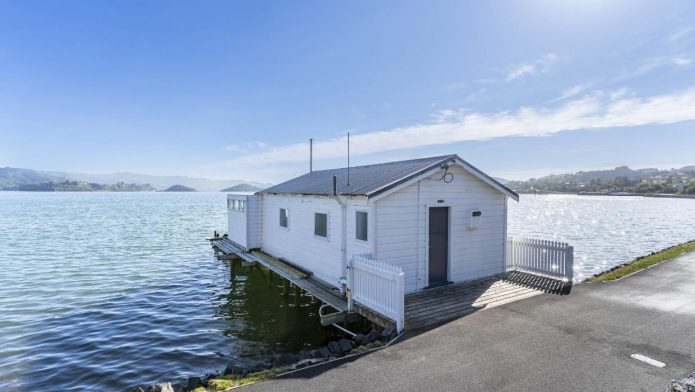


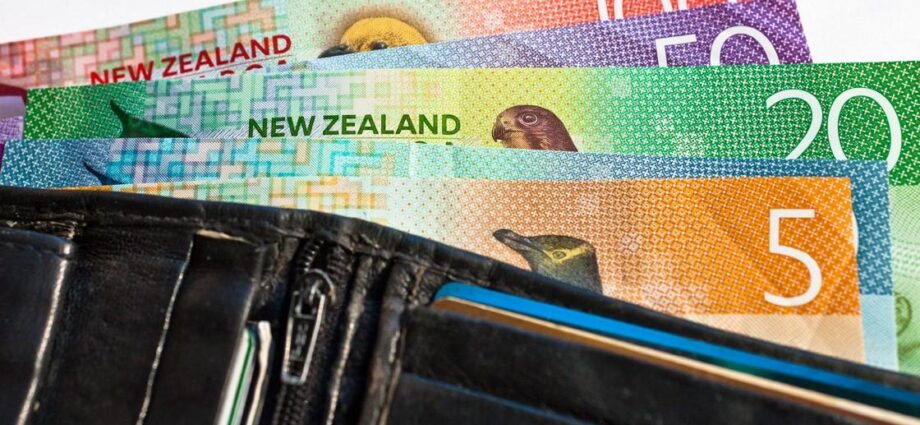
PHOTO: Stats NZ says the rise in household wealth is mainly driven by the value of property. File
Households across New Zealand are officially worth more than ever before – but before you start celebrating, here’s the sting in the tail: your money now buys you less than it did just a few years ago.
According to the latest Stats NZ data, the median household net worth has jumped to $529,000, up a massive 33% since 2021. Sounds impressive, right? But behind the glossy numbers lies a reality most Kiwis are already feeling every time they hit the supermarket, fill up the car, or pay the mortgage.
We might look richer on paper, but in real-world buying power, many households are worse off than ever.
NEW | Access New Zealand’s Ultimate Real Estate Agent Database — 18,000+ Agents & Agencies Included
Net Worth Is Up – But So Are Prices
Stats NZ says the rise in household wealth is mainly driven by the value of property. In simple terms: houses went up, so household “wealth” went up. But here’s the problem – those gains don’t put cheaper food on the table or reduce your power bill.
A $529,000 median net worth might look healthy compared to $399,000 just three years earlier, but inflation has been quietly eating away at the value of every dollar. Essentials like rent, groceries, petrol, and insurance have surged far faster than wages.
So while the charts say we’re wealthier, our wallets tell a very different story.
Who Got Richer? Not Everyone
The big winners are New Zealand’s wealthiest households:
-
The top 20% now hold a staggering two-thirds of the nation’s total household net worth, with their median wealth at $2.4 million.
-
Middle NZ (households sitting in the 40–80% wealth brackets) also got a lift, with net worth rising to around $500,000–$1 million.
-
But the lowest-income households? No statistically significant change.
That means for many families struggling to keep up with everyday expenses, the so-called wealth boom never arrived.
The Illusion of Wealth
Infometrics chief executive Brad Olsen explains that while property values surged post-Covid, they’ve since cooled by about 20%. Even so, the gains look big in long-term data.
But here’s the twist: unless you’re planning to sell your house and live off the difference, those “paper gains” don’t help much with the rising cost of living. It’s a wealth illusion – you might technically be richer, but life feels harder.
Buying Power: The Real Measure
Westpac senior economist Satish Ranchhod points out the real divide: wealthier households tend to hold assets beyond property, such as shares and investments. These have benefitted from lower interest rates.
Meanwhile, younger Kiwis and lower-income earners, who rely mostly on wages, are stuck watching costs rise faster than their pay.
Take this snapshot:
-
Supermarket basket: up around 25% since 2021.
-
Rents: still climbing in most regions.
-
Power bills & insurance: hitting record highs.
That extra $130,000 in “net worth” over the past three years? For many, it’s already been swallowed by higher living costs.
What It Means for You
-
Don’t be fooled by net worth figures – they don’t reflect day-to-day affordability.
-
Wealth is unevenly distributed – the gap between rich and poor remains stubbornly wide.
-
Inflation is the hidden thief – even with higher paper wealth, your buying power can still go backwards.
So yes, New Zealand is technically richer than ever. But until wages and household incomes catch up with the cost of living, many families will keep asking: if we’re so wealthy, why does it feel like we’re going broke?