
PHOTO: FILE
A Kāinga Ora property in Lower Hutt with a troubled history of methamphetamine contamination, police raids and an alleged drive-by shooting has sparked concerns from neighbours over what prospective buyers were told before making an offer.
The two-bedroom 1940s home on Langford Street in Naenae was marketed for sale on an “as-is, where-is” basis, with the deadline sale closing this week.
But before the deadline arrived, someone took matters into their own hands.
A handwritten warning appeared on the property’s real estate sign and across several windows and doors:
“Warning. This house was previously a meth lab for years. Buyer beware.”
Neighbours Concerned Buyers Don’t Know the Full History
Residents told RNZ they were worried prospective purchasers may not have been fully aware of the property’s past.
Kāinga Ora has confirmed that following the previous tenancy, the house tested positive for methamphetamine contamination and underwent specialist remediation.
Kāinga Ora Greater Wellington regional director Sarah Willson said the listing agent had been advised of the remediation and supplied with the relevant reports to support the sale process.
However, neighbours told RNZ they had struggled to obtain those reports themselves.
The listing agency, Bayleys, declined to comment on the matter and referred questions to Kāinga Ora.
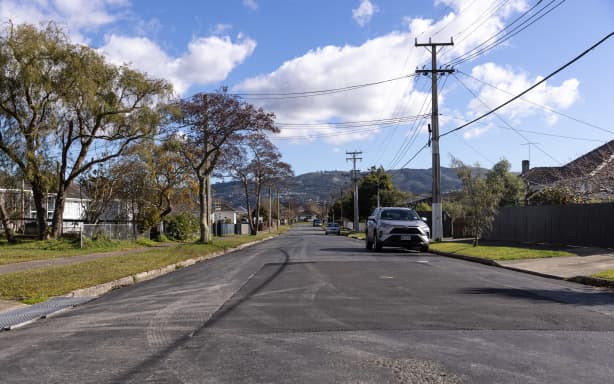
Langford Street in Naenae.
RNZ
Police Raids, Drug Activity and a Drive-By Shooting
The property’s history extends well beyond concerns about meth contamination.
Neighbours described several years of serious antisocial behaviour associated with the former occupants, including alleged drug dealing, fights, gang activity and people arriving and leaving the property throughout the day and night.
Residents also said the property was subjected to multiple police raids and a drive-by shooting.
One long-term resident described the period as frightening and chaotic, while another said neighbouring families were concerned they could become caught up in the violence.
Kāinga Ora said it could not discuss details relating to previous tenants because of privacy requirements.
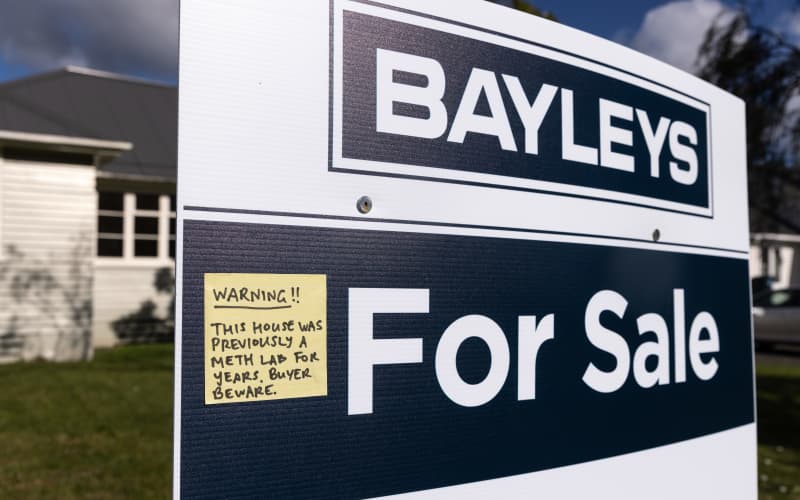
Caption:The ‘for sale’ sign outside the Kāinga Ora property on Naenae’s Langford Street.Photo credit:RNZ
Workers Reportedly Arrived in Hazmat Suits
After the property became vacant approximately 18 months ago, neighbours said specialist contractors arrived wearing extensive protective equipment.
Residents said workers spent weeks cleaning and stripping parts of the property, including removing wall linings.
Kāinga Ora subsequently confirmed that the house had been tested for methamphetamine contamination and that specialist contractors had completed remediation work.
The property was then placed on the market.
Does a Real Estate Agent Have to Disclose Previous Meth Contamination?
The case raises an important question for New Zealand property buyers:
Does a real estate agent have to tell you that a property was previously contaminated with methamphetamine?
Property lawyer Joanna Pidgeon told RNZ that if a meth-contaminated property has been successfully remediated to acceptable levels, an agent may not necessarily be required to proactively disclose the previous contamination.
However, if a prospective purchaser specifically asks about meth contamination, they must be given an accurate answer.
That distinction makes buyer due diligence particularly important.
NZ Methamphetamine Contamination Guidelines
Concerns about meth contamination in New Zealand homes became widespread during the previous decade.
In 2018, advice led by then-Prime Minister’s chief science adviser Sir Peter Gluckman helped establish a more evidence-based approach to assessing risk.
Different thresholds apply depending on whether methamphetamine was simply smoked at a property or whether the property was used for manufacturing.
The distinction can be significant when assessing whether remediation is required and whether a property poses a health risk.
Could Meth History Affect a Property’s Value?
Even where a property has been successfully remediated, its history can still matter to buyers.
Some purchasers may simply be uncomfortable buying a property previously associated with methamphetamine contamination or manufacturing.
That can potentially influence both buyer demand and the price someone is prepared to pay.
Pidgeon told RNZ that previous contamination had been a deal-breaker for at least one client, particularly because of concerns about having a young child living in the property.
Neighbours Want Full Transparency
Residents of Langford Street aren’t necessarily claiming the property remains contaminated.
Their concern is that they don’t know.
One neighbour acknowledged that the remediation may have been completely successful but said access to the relevant information would allow people to make informed decisions.
Another resident believes the property’s wider history should also be made clear to prospective purchasers.
For buyers, the situation provides another reminder of the importance of conducting thorough due diligence before signing an unconditional property agreement.
That can include obtaining building reports, LIM information and property records – but it can also mean asking some very direct questions.
Has this property ever tested positive for methamphetamine?
Was remediation required?
Can I see the testing and remediation reports?
When hundreds of thousands of dollars are involved, they may be questions worth asking.
SOURCE: RNZ