
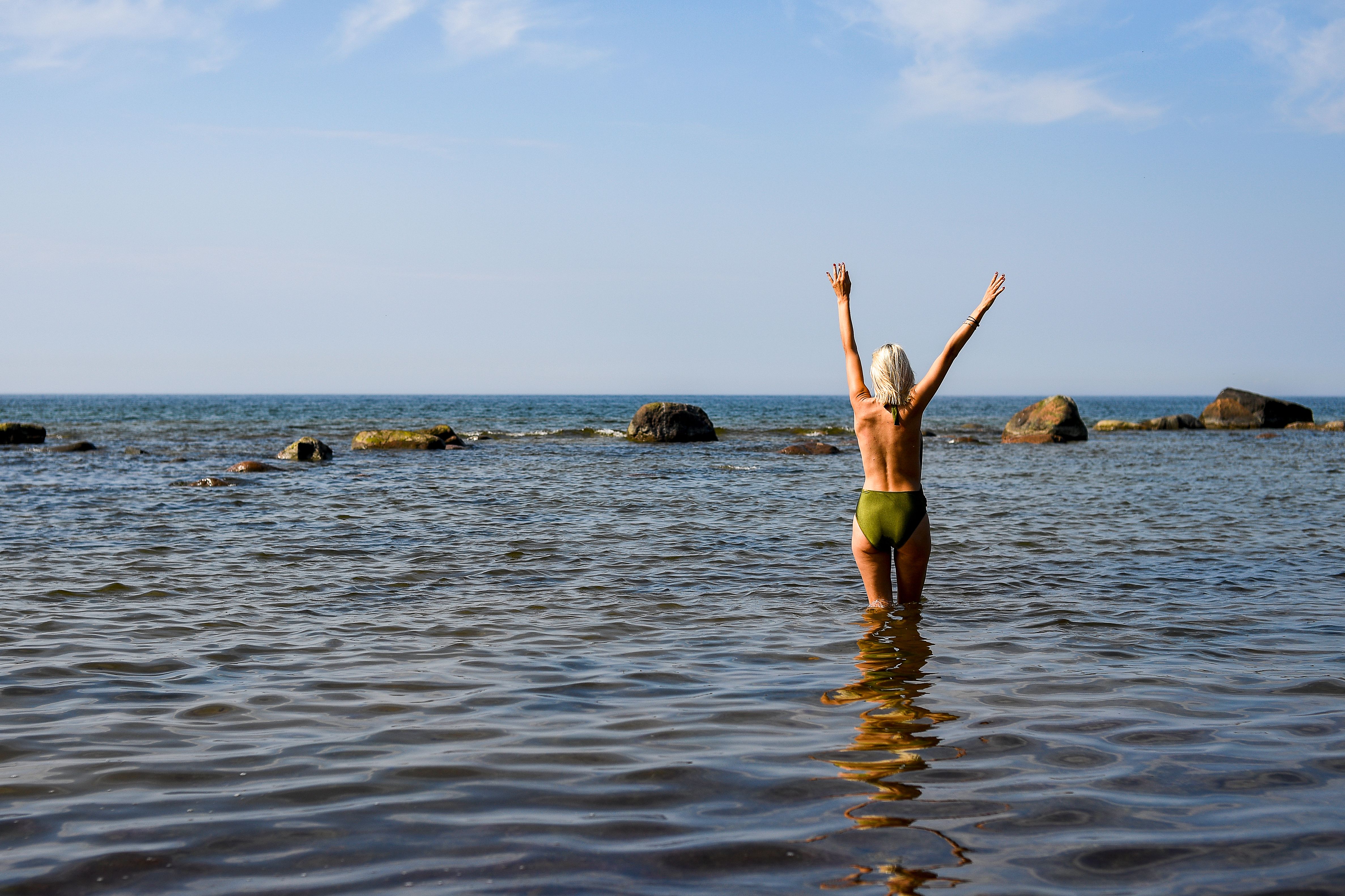
New Zealand has some of the most beautiful beaches in the world—but a handful offer visitors something extra: the freedom to leave their swimwear behind.
From secluded Waiheke Island coves and endless Northland sand to the rugged Wellington coastline and quiet South Island hideaways, Aotearoa has a surprisingly established naturist beach culture.
But before you pack nothing except sunscreen, there is an important distinction to understand.
New Zealand does not have a network of officially designated nude beaches. Instead, there are beaches and particular sections of coastline where clothes-optional swimming and sunbathing have occurred regularly over many years.
Free Beaches New Zealand says public nudity is not expressly prohibited by a specific New Zealand statute. However, offensive, sexual or deliberately intimidating behaviour can still result in complaints or police involvement.
In other words: respectful naturism and indecent behaviour are not the same thing.
Here are some of New Zealand’s best-known clothes-optional beaches to explore during summer 2026/27.
1. Little Palm Beach, Waiheke Island
Best for: The complete island escape
Region: Auckland
Access: Ferry to Waiheke Island, followed by bus, car or taxi
Little Palm Beach—also known as Mawhitipana—is arguably New Zealand’s best-known naturist beach.
Located at the eastern end of Palm Beach, it is reached by walking over a small rocky saddle separating the two bays. Visitors arriving for the first time will usually realise they have found the right place fairly quickly.
The sheltered bay offers golden sand, clear water and the relaxed island atmosphere for which Waiheke is famous. It is regularly used by locals throughout the year and becomes particularly popular during warm summer weather.
Boaties also anchor offshore, adding to its distinctive Hauraki Gulf character.
Little Palm Beach is ideal for first-time naturists because clothes-optional use is well established and visitors are unlikely to feel as though they are doing something unusual.
Waiheke itself has become one of New Zealand’s most desirable—and expensive—coastal markets. Property Noise has featured Waiheke Island’s ultimate beachfront retreat at Boatshed Bay and explored whether one extraordinary Cable Bay residence could be Waiheke Island’s best house.
2. Pohutukawa Bay, Auckland
Best for: Aucklanders wanting a genuine escape without leaving the city
Region: North Auckland
Access: Walk from Long Bay Regional Park
Pohutukawa Bay sits beyond the northern end of Long Bay and has a long history of clothes-optional use.
At low tide, visitors can walk around the headlands from Long Bay. When the tide is higher, access is available using the clifftop track beginning inland from Vaughan Homestead.
Allow approximately 30 minutes for the walk, depending on your fitness and the chosen route.
The extra effort helps separate Pohutukawa Bay from the crowds normally found at Auckland’s most accessible beaches. The result is a sheltered coastal spot framed by native trees and headlands.
Free Beaches New Zealand says the bay is used regularly during summer by a broad range of visitors, including families, retirees and younger beachgoers.
Check the tide before attempting the coastal route. Becoming stranded against a headland would make for an unnecessarily memorable first naturist experience.
3. Uretiti Beach, Northland
Best for: Long walks, camping and enormous amounts of space
Region: Northland
Access: Around 38 kilometres south of Whangārei
Uretiti is one of New Zealand’s most established naturist destinations.
The beach stretches for approximately five kilometres, providing ample room for swimmers, walkers, families and naturists to coexist without feeling crowded.
A Department of Conservation campground sits immediately behind the dunes, making Uretiti an excellent destination for a full summer weekend rather than merely an afternoon visit.
However, visitors need to understand the boundary: nudity may be commonly practised on the beach, but the campground has its own rules and does not permit nudity within the camping area.
Naturists traditionally walk south along the beach from the campground before removing their swimwear. This voluntary practice helps maintain space between different groups and reduces the likelihood of conflict.
The scale of Uretiti is its greatest attraction. Even during the busy holiday season, walking a little farther along the sand can provide privacy and breathing room.
Northland remains synonymous with the Kiwi coastal dream. Property Noise has previously looked at New Zealand’s most expensive baches and the extraordinary prices buyers will pay for privacy near the water.
4. Opoutere Beach, Coromandel
Best for: Space, scenery and a relaxed mixed beach
Region: Coromandel Peninsula
Access: Approximately two hours from central Auckland
Opoutere is a long white-sand beach on the eastern side of the Coromandel Peninsula.
Unlike smaller coves where naturists tend to gather in one concentrated area, Opoutere offers enough room for clothed and unclothed beachgoers to walk, swim and sunbathe without creating obvious divisions.
Free Beaches New Zealand describes it as a location where nudity is generally accepted and naturists and non-naturists regularly pass each other without difficulty.
That relaxed coexistence is part of its appeal.
The surrounding forest, sand dunes and relatively low-density development make Opoutere feel far removed from the busier Coromandel holiday towns.
It is a beautiful choice for anyone wanting a natural beach experience without the social intensity of a crowded, clearly defined naturist area.
If the sight of untouched coastal land leaves you dreaming about owning your own escape, take a look inside the $10 million private island described as New Zealand’s ultimate bach.
5. Peka Peka Beach, Kāpiti Coast
Best for: Lower North Island naturists wanting space and easy access
Region: Kāpiti Coast
Access: Northern end from Te Hapua Road
Peka Peka Beach is one of the lower North Island’s most recognised clothes-optional locations.
The area most commonly used by naturists is at the northern end of the beach, accessed from Te Hapua Road, around five kilometres north of Waikanae.
Its long, open coastline provides plenty of space, while the Kāpiti Coast setting delivers spectacular views and memorable sunsets.
Free Beaches New Zealand says skinny-dipping is well established at Peka Peka and notes that signage has acknowledged clothes-optional use.
Visitors should still remain conscious that the beach is shared public space. Walk beyond the primary access area, observe where naturists have gathered and behave respectfully around other beach users.
Further north, Horowhenua’s coastline is also attracting renewed property attention. Property Noise recently examined why the Ōtaki-to-Levin highway could place Waitārere Beach on the growth map.
6. Breaker Bay, Wellington
Best for: Wellington naturists seeking shelter from the northerly
Region: Wellington
Access: From the Pass of Branda at Seatoun
Breaker Bay proves you do not need to travel hours from a major city to find a well-established naturist beach.
Located at the southern end of the Miramar Peninsula, it can be reached by car or public transport. The most commonly used clothes-optional section begins beyond the distinctive hole in the rock, approximately 100 metres from the car park, and continues towards the point.
The beach is predominantly made up of small pebbles rather than soft sand, but it provides valuable shelter from Wellington’s prevailing north-westerly winds.
On the right summer evening, visitors can enjoy sunshine until late and watch the sun disappear across Cook Strait.
For those who prefer their Wellington coastline with clothing and cafés, Property Noise has also explored Oriental Bay—the capital neighbourhood that feels like a permanent holiday destination.
7. Spencerville North Beach, Christchurch
Best for: Canterbury naturists wanting an established gathering place
Region: Canterbury
Access: Approximately 200 metres north of the Heyders Road entrance
The recognised naturist area at Spencerville is around 200 metres north of the Heyders Road beach entrance.
Its proximity to Christchurch makes it one of the South Island’s most accessible clothes-optional locations. It has become the preferred beach for many Canterbury naturists, replacing some of the more distant locations previously used by local groups.
As with any semi-secluded beach close to a city, respectful behaviour is essential. Naturism is about ordinary recreation without clothing—not public sexual activity, harassment or unwanted photography.
Visitors should report genuinely offensive or threatening behaviour rather than assuming it is part of naturist culture.
Other Canterbury locations where clothes-optional swimming has been known to occur include Woodend Beach, Waikuku Beach, Hobson Bay near Taylors Mistake and the much more isolated Tumbledown Bay.
8. Milnthorpe Beach, Golden Bay
Best for: Travellers wanting seclusion and an alternative Golden Bay atmosphere
Region: Tasman
Access: Near Tākaka and the Milnthorpe Park Scenic Reserve
Golden Bay has long attracted people looking for a less conventional and more relaxed way of life.
Milnthorpe Beach fits that reputation perfectly.
The beach stretches for approximately four kilometres along the edge of the Milnthorpe Park Scenic Reserve and arboretum, providing space for walking, swimming and quiet sunbathing.
It does not have the same concentrated naturist crowds as Little Palm Beach or Uretiti. That can be an advantage for visitors wanting solitude, although newcomers may feel more comfortable going with someone else or attending during an organised naturist event.
Nearby Pōhara Beach has also hosted body-positive and clothes-optional activities.
Other New Zealand nude beaches worth knowing
Several other beaches have histories of naturist use, including:
- St Leonards Beach on Auckland’s North Shore
- Orpheus Bay near Huia in West Auckland
- Waihi Beach in the Bay of Plenty
- Waitata Bay in Northland
- Princess Bay in Wellington
- Woodend and Waikuku beaches in Canterbury
- Tumbledown Bay on Banks Peninsula
- Barrytown Beach on the West Coast
- Carters Beach near Westport
Conditions and usage can change, so local knowledge is valuable. A beach that was quiet and commonly used by naturists several years ago may now be surrounded by development, walking tracks or new recreational activity.
That tension between coastal expectations and changing land use can create expensive surprises. Property Noise recently reported on a case where a coastal dream turned sour after buyers discovered unexpected penguin-protection plans.
Is it legal to be naked on a New Zealand beach?
New Zealand does not have a specific law that simply declares public nudity illegal everywhere.
Free Beaches New Zealand explains that this is why the country does not require a formal system of legally designated nude beaches.
However, context and behaviour matter.
Being quietly naked while swimming or sunbathing at a beach with an established history of naturist use is very different from acting sexually, deliberately confronting other people or exposing yourself with the intention of causing offence.
Complaints can still be made, and police will consider the circumstances, location and conduct involved.
The sensible rule is simple: choose a beach where clothes-optional recreation is known to occur, keep an appropriate distance from other groups and behave exactly as you would while wearing swimwear.
Nude beach etiquette for first-time visitors
A good naturist beach should feel safe, relaxed and completely non-sexual.
Follow these basic rules:
- Never photograph or film another person without permission.
- Do not stare or make comments about anyone’s body.
- Maintain normal personal space.
- Bring a towel to sit on.
- Keep sexual behaviour entirely out of public spaces.
- Respect clothed visitors sharing the same beach.
- Follow all local access, parking and camping rules.
- Take your rubbish home.
- Use plenty of high-SPF sunscreen—including on areas that rarely see daylight.
- Check tides, surf conditions, weather and water quality before swimming.
- Put clothing back on before returning to car parks, campgrounds, roads or busy public tracks.
The Property Noise verdict
For the complete experience, Little Palm Beach remains difficult to beat. Its island location, sheltered water and established naturist culture make it the standout destination for summer 2026/27.
For space and easy camping access, Uretiti Beach is the strongest choice.
For Aucklanders, Pohutukawa Bay provides an impressive escape close to the city, while Peka Peka and Breaker Bay lead the way around the lower North Island.
In the South Island, Spencerville North Beach offers the most established Canterbury option, while Milnthorpe Beach delivers the freedom and isolation that have made Golden Bay legendary.
New Zealand’s best clothes-optional beaches are not about shock value. They are about swimming, sunshine, body confidence and enjoying the coastline without creating discomfort for anyone else.
Just remember the sunscreen.
Information source: Beach locations and legal guidance were checked against Free Beaches New Zealand. Conditions, access and patterns of use can change, so visitors should confirm current local information before travelling.