
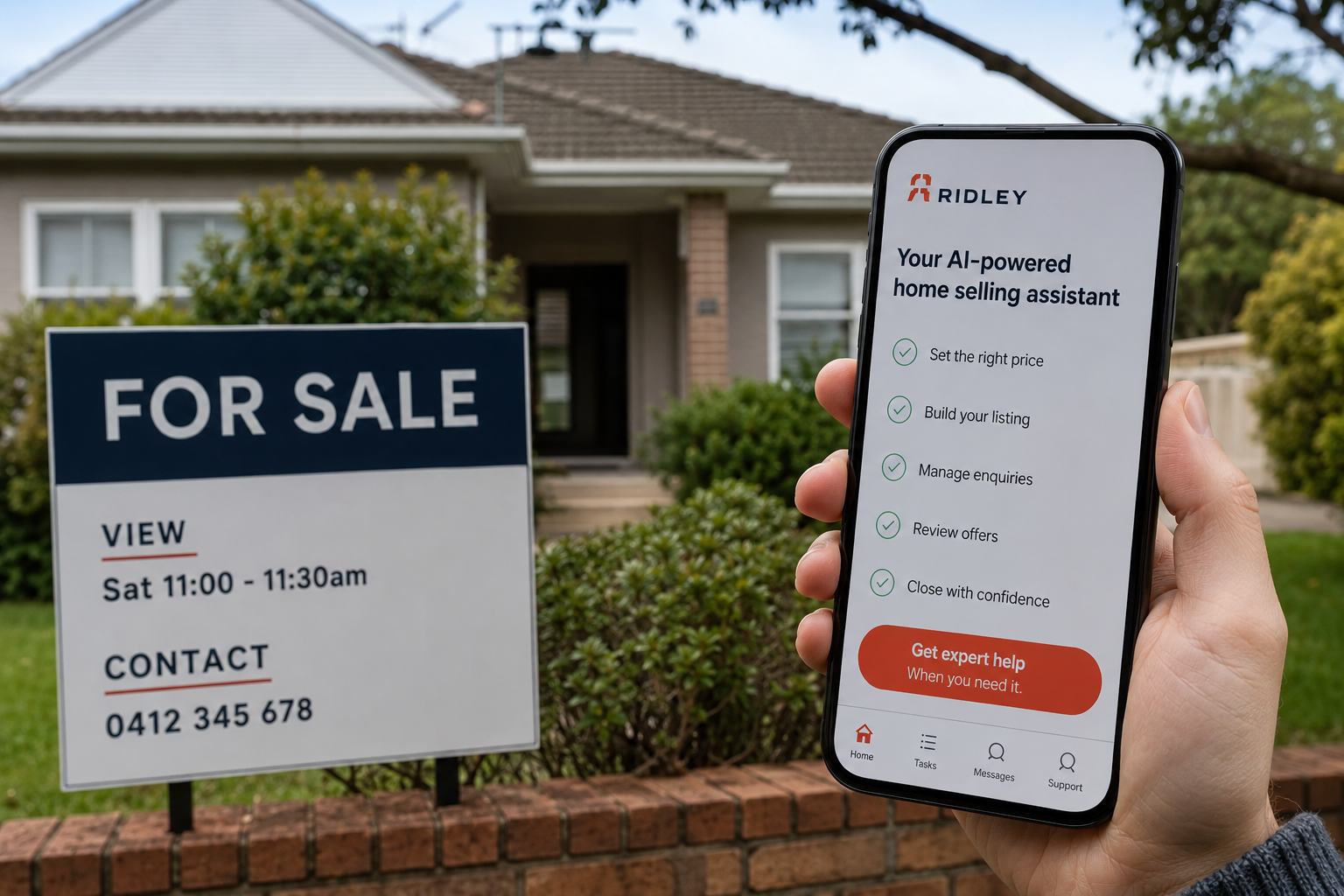
PROPERTY NOISE ANALYSIS: The next buyer an agent meets may arrive with more than a mortgage pre-approval. They could bring a shortlist, a set of comparisons and a list of awkward questions prepared with an AI assistant.
That possibility deserves attention across New Zealand real estate. If buyers increasingly use AI to organise their search, agents will need to think about how a property gets onto the shortlist in the first place.
Elite Agent’s reporting, drawing on analysis by AI and platform strategist Sangeet Paul Choudary in Harvard Business Review, raises the prospect of AI assistants shifting influence away from the marketplaces where consumers traditionally begin their search. The central question is who shapes a buyer’s choices before the first enquiry.
THE LISTING HAS TO ANSWER THE QUESTION
Consider a hypothetical buyer looking for a three-bedroom home with space to work remotely, manageable upkeep and a practical commute. A price range and suburb filter can narrow the field. Understanding the compromises takes more work.
An AI assistant could help that buyer organise available information and identify gaps. But its output would only be as reliable as the information it can access and interpret. A missing detail remains missing, however polished the answer sounds.
For an agent, this suggests a practical priority: write listings that explain the property. Room dimensions, layout, parking, outdoor space and clearly identified limitations can be more useful than another paragraph of enthusiastic adjectives.
The aim should be to help a buyer make an informed assessment. There is no guarantee that adding detail will secure a recommendation from an AI system.
A BETTER-PREPARED BUYER CHANGES THE CONVERSATION
Imagine an enquiry that begins: “We like the location, but how does the asking price account for the renovation work?” That conversation requires evidence and judgement.
Agents should prepare for buyers who have already compared listings and developed their own view of value. An AI-generated comparison might be insightful, incomplete or simply wrong. The agent’s job is to explain the evidence clearly and identify where the comparison breaks down.
That could make local knowledge more valuable at the point of contact. Knowing the house, understanding buyer objections and explaining relevant differences between properties are harder to reduce to a generic sales script.
BUYERS SHOULD QUESTION THE ANSWERS TOO
Convenience should not be confused with verification. A confident summary is not proof that a property suits a buyer’s needs.
Buyers using AI should ask where information came from, when it was updated and which assumptions underpin the conclusion. Anything material to the purchase needs checking against reliable records and appropriate professional advice.
There is also a difference between asking a tool to help organise questions and allowing it to decide which questions matter. Buyers still need to articulate their own priorities.
THE NEXT COMPETITION MAY BE FOR THE SHORTLIST
Property Noise’s view is that the most useful industry response is to improve the quality of information and the quality of the conversation that follows it.
Agencies can start by reviewing their listings: what would a serious buyer need to know, what is unclear, and what evidence supports the claims? They can also record inspection feedback more consistently, while treating information about buyers with care.
AI may change the route a buyer takes to an agent. Whether it changes the outcome will depend on trust, accuracy and the decisions people make along the way.
Original Property Noise commentary prompted by the Elite Agent report linked above. Scenarios are illustrative, not claims about features currently available across New Zealand property platforms. Featured image: existing AI-generated illustration from the Property Noise Media Library.