
Waitārere Beach could become one of the lower North Island’s most closely watched property markets as the Ōtaki to north of Levin expressway moves towards its expected late-2029 completion. But the opportunity will depend on more than a faster road.
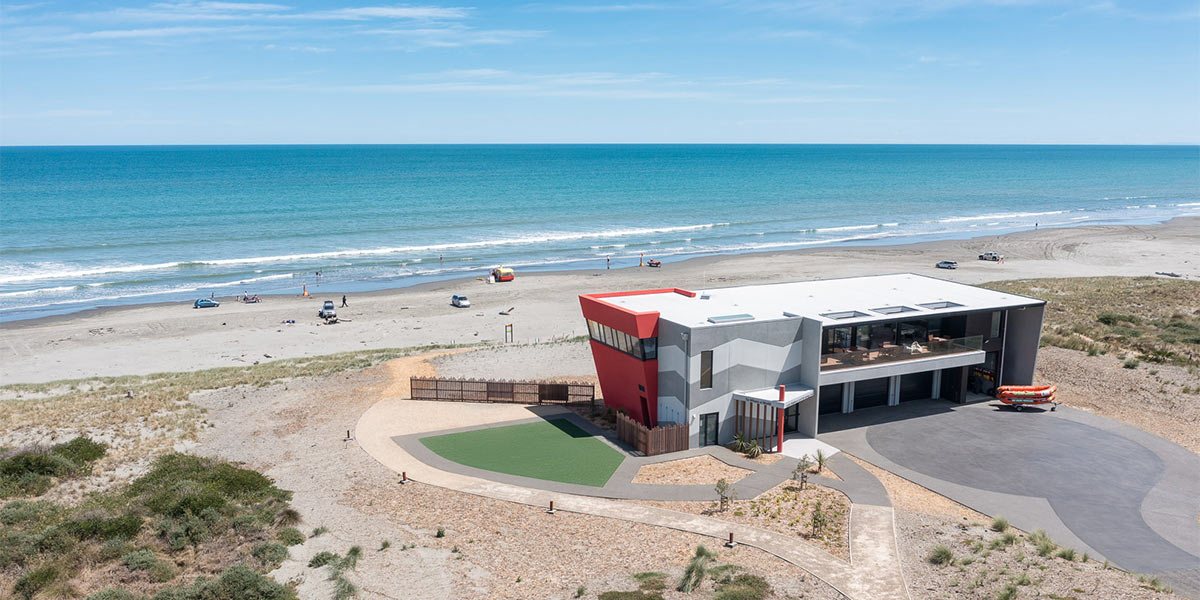
PHOTO: Waitārere Beach
For buyers considering a move to the coast, the question is often straightforward: can they enjoy the lifestyle without making everyday travel too difficult?
At Waitārere Beach, that calculation could be about to change.
The Ōtaki to north of Levin expressway — officially known as Te Pae o Tararua, or Ō2NL — is expected to improve connections through Horowhenua and extend the benefits of the Wellington Northern Corridor further north.
NZ Transport Agency Waka Kotahi says main construction began in October 2025, with completion expected in late 2029. That remains an expected timetable, rather than a guaranteed opening date. NZ Transport Agency Waka Kotahi
For Waitārere Beach real estate, the potential significance is clear: better access could bring the settlement into consideration for a wider range of buyers.
Property Noise’s assessment is that Waitārere has a credible case as an emerging coastal growth location. That is a property outlook, however, rather than an NZTA prediction or a guarantee of rising house prices.
What the Levin bypass actually involves
Often described locally as the Levin bypass, Ō2NL is a 24-kilometre highway project connecting the expressway north of Ōtaki with the state highway network north of Levin.
The Government’s published project details specify:
- 21 kilometres of four-lane highway.
- A two-lane northernmost section of approximately three kilometres, beyond the SH57 traffic split.
- A grade-separated interchange at Tararua Road, allowing traffic to join or leave the highway in both directions.
- Roundabouts at SH57 and the northern end.
- A shared walking and cycling path connecting local communities.
The distinction matters: describing the entire 24-kilometre route as four lanes would overstate the published design. Beehive.govt.nz
For coastal property buyers, the relevant benefit is improved regional access. The road does not run to the beachfront, and the final journey along local roads will remain part of the travel equation.
Property Noise previously examined the wider opportunity in Why Everyone’s Suddenly Watching Waitārere Beach: The North Island’s Next Breakout Property Hotspot. This updated analysis focuses on the confirmed project timetable and the practical conditions that could shape growth.
Why better transport could change Waitārere Beach property demand
A home’s appeal extends beyond its section, floor plan and view. Buyers also weigh the time and effort required to reach work, family, shops and services.
A more reliable journey can change which locations make their shortlist.
For Waitārere Beach, the potential buyer groups include people seeking a permanent coastal home, households with flexible working arrangements, retirees who still want regional connections, and holiday-home buyers travelling from further south.
These are possible sources of additional demand, rather than evidence of a measured surge in purchases.
The strongest argument is that improved access could make an existing lifestyle proposition more practical. A buyer who previously dismissed the beach because of the drive may reassess it as the expressway approaches completion.
That could broaden the market for suitable homes. It does not establish how much buyers will pay.
How much time will the expressway save?
NZTA’s published modelling compares evening-peak journeys in 2039, with and without the new highway.
For trips from Ōtaki to north of Levin, it estimates approximately 32–33 minutes without Ō2NL, compared with 17–21 minutes using the new route.
Those figures describe a particular highway journey under a future modelling scenario. They are not a promised door-to-door travel time between Waitārere Beach and Wellington, nor an opening-day forecast for every motorist. NZ Transport Agency Waka Kotahi
For prospective residents, journey reliability may be as valuable as the minutes saved. Being able to plan a trip with greater confidence can influence whether a location feels suitable for permanent living.
Any assessment of commuting should still account for the local-road connection, the destination, peak congestion and travel costs.
Waitārere Beach Road roundabout brings an earlier improvement
The expressway is not the only transport project relevant to the settlement.
NZTA says construction of the SH1–Waitārere Beach Road roundabout began in October 2025 and is scheduled to finish by November 2026.
It forms part of the Levin-to-Foxton safety improvements, alongside barriers, wider painted centrelines and turnaround facilities. NZ Transport Agency Waka Kotahi
This is a separate, earlier milestone from the expected 2029 expressway completion. For people assessing life at the beach, the safety and usability of the local highway connection deserve attention alongside the larger bypass project.
Read Property Noise’s earlier coverage: Waitārere Beach to Get a SH1 Roundabout.
Coastal appeal needs a community behind it
Transport can make a destination easier to reach. It cannot, on its own, make people want to live there.
Waitārere’s property story also rests on the appeal of coastal living and the facilities supporting the community.
One example is Te Whare Waitā, the Waitārere Beach Surf Life Saving Community Facility. Property Noise’s coverage described facilities for patrols, rescue operations, training and community use. propertynoise.co.nz & propertynoise.com.au
For buyers considering a permanent move, community facilities help turn a holiday destination into a place where they can imagine an everyday life.
That relationship between lifestyle and access is central to the growth argument: the road could make it easier for more people to choose what already attracts them to the coast.
Related reading: New Surf Club for One of New Zealand’s Best Beaches.
The growth constraint buyers should understand
There is a substantial qualification to the Waitārere Beach growth story.
In December 2023, Horowhenua District Council withdrew Proposed Plan Change 5, which had sought to rezone approximately 100 hectares east of the settlement for residential and commercial development.
Council identified groundwater, stormwater and wastewater capacity concerns. Heavy rainfall and high groundwater had contributed to flooding and additional pressure on the wastewater system. Horowhenua District Council
That decision matters because improved road access and development capacity are separate issues.
The expressway may increase interest in living at Waitārere Beach. It does not automatically provide additional wastewater capacity, resolve drainage problems, change a property’s zoning or authorise subdivision.
The withdrawn proposal should not be presented as an approved pipeline of future homes.
For existing houses, stronger interest could support demand. For development land, the commercial case also depends on whether a project can actually be consented, serviced and built.
Will Waitārere Beach house prices rise before 2029?
It is possible that some buyers will act before the expressway opens, anticipating the improvement in access.
However, there is no verified local forecast in the sources reviewed that establishes a particular price increase attributable to Ō2NL.
The market will also depend on mortgage costs, household incomes, employment, the number of homes for sale and the prices vendors seek.
Even within the same settlement, properties may perform differently. A well-maintained home suited to permanent living has a different buyer proposition from a property requiring substantial repairs or land dependent on future infrastructure investment.
The useful question is therefore broader than “Will Waitārere boom?”
It is: which properties offer a compelling combination of lifestyle, practical access, condition and price?
What would confirm an emerging property hotspot?
The next few years should provide evidence that buyers and sellers can assess.
Indicators worth watching include:
- Completed sales prices for comparable local homes.
- Sales volumes and the time properties take to sell.
- The balance between new listings and buyer demand.
- Progress towards the expressway’s expected completion.
- Council decisions on servicing and development capacity.
Asking prices and promotional headlines can signal expectations. Completed transactions provide stronger evidence of what the market will support.
The expressway has also been approved for tolling, making travel costs another factor for households evaluating regular journeys. Beehive.govt.nz
Waitārere Beach’s opportunity extends beyond opening day
The case for Waitārere Beach is about a potential change in the relationship between coastal living and regional access.
If Ō2NL delivers its intended transport benefits, more buyers may find that living at the beach fits their circumstances. That could support demand for existing homes and strengthen the settlement’s visibility within the wider Horowhenua property market.
But lasting growth will require the transport story to work alongside community services, infrastructure capacity and realistic property pricing.
With the Levin bypass expected to be completed in late 2029, Waitārere Beach deserves a place on the lower North Island property watchlist. Its potential is credible; the scale of any price uplift remains to be demonstrated.