




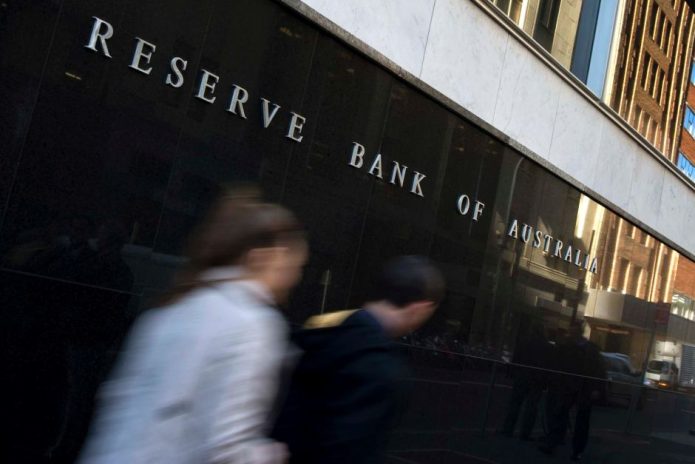


PHOTO: The RBA places greater emphasis on trimmed mean inflation, which strips out volatile price movements and better reflects persistent cost pressures. FILE
📊 Inflation Falls Faster Than Expected
Australia’s inflation rate has come in lower than economists forecast, fuelling hopes the Reserve Bank of Australia may delay any interest rate hike next month.
The headline consumer price index (CPI) eased to 3.4% in November, down from 3.8% in October. Economists had expected inflation to fall more modestly, to around 3.6%.
While the result was welcomed by households and borrowers, it may not yet be enough to convince the RBA that inflation is fully under control.
Unlock 1.2 Million+ Aussie Business Contacts — No Subscriptions, No Limits
⚖️ The Number the RBA Really Cares About
The RBA places greater emphasis on trimmed mean inflation, which strips out volatile price movements and better reflects persistent cost pressures.
That measure edged down only slightly — from 3.3% to 3.2% — after rising 0.3% over the month, leaving it above the RBA’s 2–3% target band.
Put simply:
✔ Prices are still rising
✔ Just not as fast as before
❌ But underlying inflation remains stubborn
This is why the rate outlook remains finely balanced.
🏠 Housing Still the Biggest Inflation Driver
Housing costs continued to be the largest contributor to inflation, rising 5.2% over the past year.
Other key components showed mixed trends:
-
🛒 Food prices: up 3.3%
-
🚗 Transport: up 2.7%
-
⚡ Electricity: growth slowed sharply, easing goods inflation to 3.3%
-
💡 Power prices: rose 19.7% in November, down from a 37.1% surge the month before
Services inflation also cooled slightly, easing to 3.6%, after strong holiday travel demand pushed prices higher in October.
🏦 February Rate Decision Looms
The RBA will meet on February 3, with Governor Michele Bullock weighing whether to hold rates steady or tighten policy further.
The central bank has warned that two conditions must be met to avoid rate hikes in 2026:
-
Evidence that inflation pressures are temporary, not structural
-
Confidence that financial conditions remain tight enough to push inflation lower
🔮 Banks Split on What Happens Next
Australia’s biggest banks remain divided:
-
📈 Commonwealth Bank and National Australia Bank expect a 0.25 percentage point rate hike
-
⏸️ ANZ and Westpac believe rates will stay on hold at 3.6%
Market expectations shifted after the CPI data, with some economists now suggesting a February hike may be avoided — at least temporarily.
🗣️ Economists: Relief Now, Uncertainty Ahead
VanEck’s Jamie Hannah said the inflation data may have removed the immediate pressure to lift rates.
“Had inflation continued to move higher, a rate hike next month may have been inevitable,” he said.
“For now, the rate-hike wolves may be kept at bay — but 2026 remains highly uncertain.”
However, others are less convinced.
Judo Bank’s Warren Hogan warned rates may still need to rise.
“Less than a quarter of the CPI basket is below the RBA’s target band,” he said.
“The current rate setting is probably not appropriate. I think they should raise rates in February.”
Capital Economics also maintains a tightening bias, citing a tight labour market and limited spare capacity in the economy.
🧠 What This Means for Households
For now, borrowers may have caught a short-term reprieve — but the bigger picture remains cloudy.
✔ Inflation is easing
❌ Housing and services costs remain sticky
⚠️ Energy rebates, tariffs and global conflicts could reignite pressure
The February meeting will be critical — not just for rates, but for signalling where the economy is headed in 2026.
🔑 Bottom Line
Australia’s inflation surprise has reopened the rate debate, but it hasn’t settled it.
The RBA now faces a delicate call:
🔸 Tighten too early and risk choking growth
🔸 Wait too long and risk inflation becoming entrenched
For households, businesses and property markets alike, February 3 could be one of the most important economic dates of the year.