
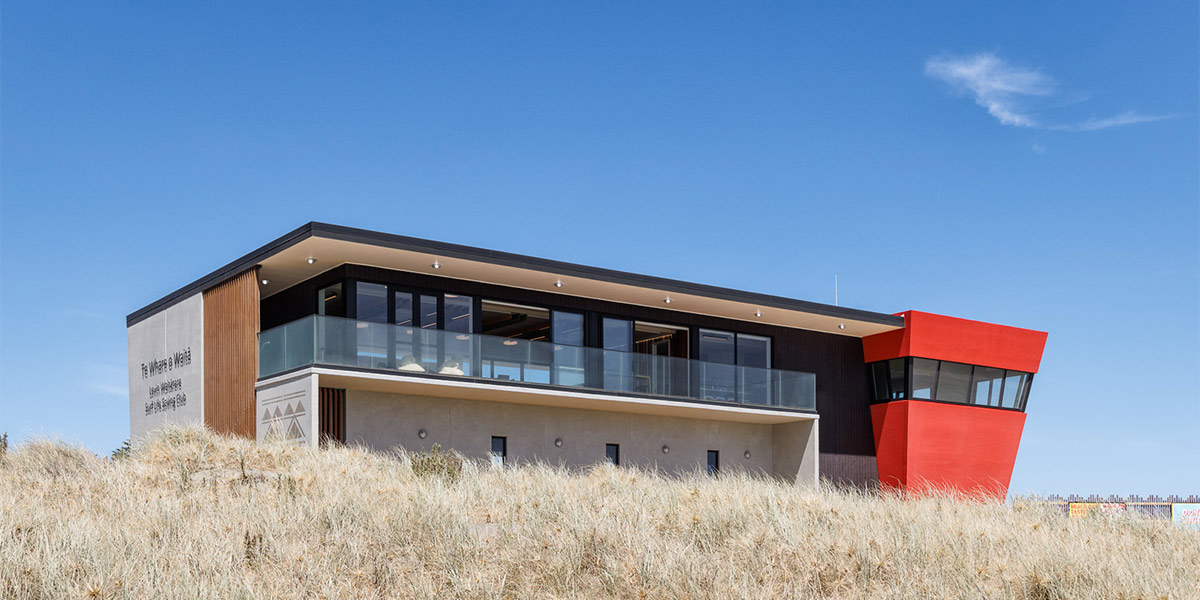
PHOTO: Waitārere Beach. FILE
✅ Quick take: Why Waitārere Beach is being tipped as a breakout growth location
🛣️ A new expressway is physically reshaping the lower North Island map (Ōtaki to north of Levin / Ō2NL).
📍 Location advantage: coast + close to Levin, with realistic access to both Palmerston North and Wellington for work and weekends.
☀️ Beach climate: strong sunshine hours and mild coastal temperatures make it “liveable” year-round.
📜 Planning settings: Horowhenua’s withdrawn Waitārere growth plan means existing District Plan provisions remain in place (often viewed as less disruptive than a new, uncertain overlay).
AN ABSOLUTE DISGRACE: Property developer & Council under fire – ‘Somebody’s got to do something’
🛣️ 1) The Ōtaki–Levin Expressway Effect: This Is the Game-Changer
If you want one “why now?” factor, it’s this: the Ōtaki to north of Levin (Ō2NL) highway project — the northernmost piece of the Wellington Northern Corridor — is now in the build phase and is designed to improve safety, resilience, and efficiency on SH1.
What the project actually is (specifics)
🛣️ A new ~24km expressway between Taylors Road (Ōtaki) and north of Levin (Koputaroa area).
🧭 Built to the east of the current SH1 alignment (reducing pressure on the existing route).
🚗 The Government has cited evening peak travel time savings of up to 15 minutes for trips from Ōtaki to north of Levin, and 6 minutes for Ōtaki to Levin.
Why that matters for Waitārere Beach buyers
Waitārere’s value proposition has always been “coastal lifestyle without being isolated.” When a major transport corridor improves:
✅ More buyers widen their search radius (commuters + hybrid workers)
✅ Weekend travel becomes easier and more predictable
✅ Areas near new infrastructure often get a “confidence premium” (buyers feel the region is improving, not shrinking)
In plain English: better roads don’t just move cars — they move demand.
📍 2) The Location Sweet Spot: Beachside Living With Two-City Reach
Waitārere Beach sits in a rare position:
🏙️ Close enough to Palmerston North for shopping, tertiary, hospital and employment gravity
🏛️ Close enough to Wellington to be realistic for regular trips (and for some, hybrid commuting)
🏡 Close to Levin for day-to-day essentials, schools, trades and services
That “two-city reach” is a big deal in 2026, because buyers increasingly want:
🌊 Lifestyle (coast, space, quiet)
💼 Optionality (jobs and services within reach)
🚙 Connectivity (reliable travel, not white-knuckle bottlenecks)
The Ō2NL project strengthens that connectivity story from the ground up.
☀️ 3) The Climate Advantage: Sunshine + Coastal Moderation
People underestimate how much climate sells property—especially when you’re marketing lifestyle, retirement, or holiday-home demand.
Waitārere benefits from a coastal pattern: moderated temperatures and solid sunshine hours across the year.
What the data suggests (high-level, practical)
Summer highs commonly sit around the high teens/low 20s (°C) range, with mild nights — classic “beach town” comfort.
Sunshine hours are strong across the year, with summer months showing 8–9 hours/day average sunshine, and winter still retaining meaningful daylight.
Why this matters for real estate
🏖️ Holiday-home and Airbnb appeal stays strong when the place “feels good”
🌅 Outdoor living (decks, entertaining) becomes a real lifestyle feature, not a brochure line
🧓 Downsizers and retirees put huge weight on a climate that supports walking and everyday life
📜 4) Subdivision and Growth: Why Council Settings Matter Right Now
Horowhenua District Council’s Proposed Plan Change 5 (Waitārere Beach Growth Area) was withdrawn (with council noting stormwater/wastewater and groundwater-related challenges among the reasons), which means the existing Operative District Plan provisions remain in place.
Why that can be seen as “less restrictive” in practice
A withdrawn plan change often means:
✅ No new overlay rules introduced via that specific growth plan
✅ Less uncertainty from a moving planning target
✅ Landowners and buyers continue to work within the existing rule framework
Important: This does not mean “anything goes.” Subdivision potential still depends on:
the site’s zoning (e.g., residential/rural/lifestyle/coastal provisions)
servicing constraints (especially wastewater/stormwater in coastal settlements)
access/right-of-way and engineering compliance requirements (district plan subdivision & development rules still apply).
So the honest takeaway is:
The council decision reduced the likelihood of sudden new Waitārere-specific growth-plan rules, but subdivision outcomes still hinge on zoning + infrastructure realities.
https://www.propertynoise.co.nz/property-developer-council-under-fire-somebodys-got-to-do-something/
🏡 So… Is Waitārere Beach Really “#1”?
If by “#1” you mean the cleanest mix of lifestyle + infrastructure tailwinds + relative affordability in the lower North Island, then Waitārere has a strong case — especially as Ō2NL progresses.
⭐ Waitārere Beach is shaping up as one of the North Island’s best-value lifestyle growth plays because:
🛣️ A major expressway project is underway nearby (Ō2NL)
📍 It’s positioned between two important city economies (Palmerston North + Wellington influence)
☀️ It offers a genuinely liveable coastal climate
📜 Planning uncertainty reduced after the growth plan withdrawal (existing provisions continue)
✅ Bottom Line
Waitārere Beach is no longer “just a summer spot.”
It’s becoming a strategic lifestyle location — and the next few years of transport upgrades and district growth pressures could accelerate that shift.