
PHOTO: After another year of relentless growth, Australia’s housing market is approaching a turning point. ABC
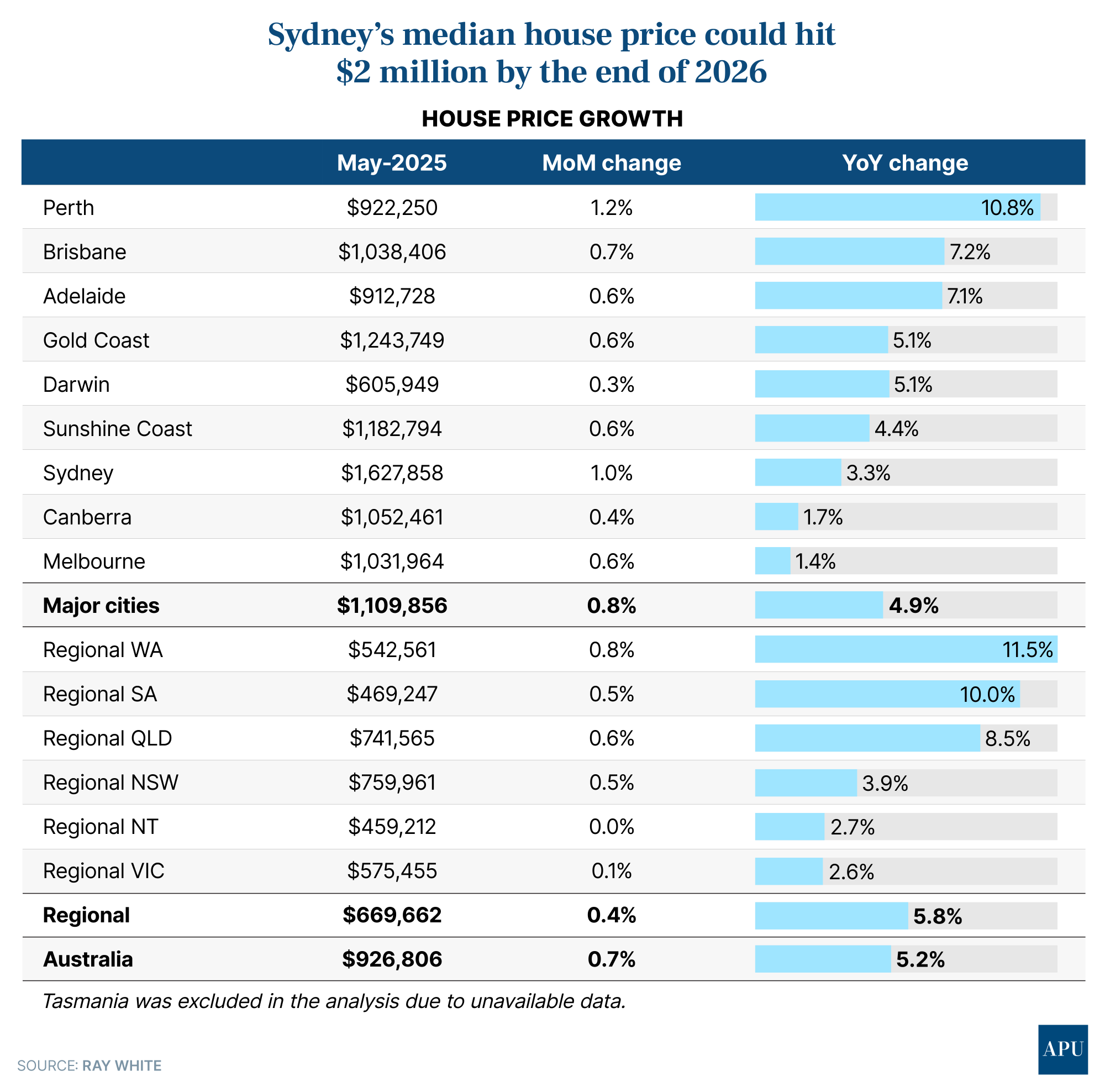
Prices rose across every capital city in 2025, fuelled by rate cuts, tight housing supply, and government incentives. But as affordability pressures intensify and regulators step in, economists say 2026 is shaping up very differently — with softer growth, and even price dips in some markets.
🏠 What powered house prices higher in 2025?
Australia’s housing boom didn’t happen by accident.
Three key forces drove prices higher last year:
📉 Interest rate cuts from the Reserve Bank of Australia, increasing borrowing capacity
🏗️ Severe housing shortages, with too few properties hitting the market
🏡 Expanded government support, including changes to the First Home Guarantee scheme, boosting demand at the lower and middle end
As a result, buyer competition intensified across Sydney, Melbourne, Brisbane, Perth and Adelaide, pushing prices higher despite already stretched affordability.
⚠️ Why the momentum is expected to slow in 2026
According to Eliza Owen, Head of Residential Research Australia at Cotality, expectations are now shifting.
House prices have risen faster than wages, and that gap is becoming harder to sustain.
Economists warn that:
📈 Affordability constraints are biting hardest in Sydney and Melbourne
💰 Saving a 20% deposit now takes more than a decade for many buyers
🏦 The RBA has signalled potential interest rate hikes, which would reduce borrowing power
The likely outcome?
Slower national price growth in 2026, with the possibility of modest declines in higher-priced markets.
🏙️ Which markets are most at risk?
Not all cities are expected to behave the same way.
Analysts suggest:
🟥 Sydney and Melbourne are most exposed to price softness due to affordability ceilings
🟧 Mid-priced capitals may see flat or low growth
🟩 More affordable markets could remain resilient if employment stays strong
In short, the further prices have run ahead of incomes, the more vulnerable they become in 2026.
🏦 Regulators step in as investors surge
Another defining feature of 2025 was a strong comeback by investors, taking advantage of capital gains and rental shortages.
That surge triggered action from Australian Prudential Regulation Authority, which is now tightening lending standards.
From 1 February, banks will be required to:
🚫 Limit high debt-to-income loans to 20 percent of new lending
🧮 Reduce exposure to overstretched borrowers
The move is designed to cool risk-taking — and is expected to further dampen price momentum into 2026.
🏘️ What about rents? Still climbing
While price growth may slow, renters are facing a tougher outlook.
Forecasts from Domain suggest:
📈 Asking rents could hit record highs by the end of 2026
🏠 Rents are already around 50% higher than five years ago
Domain’s Chief of Research and Economics Nicola Powell says rental pressure remains intense due to:
Low vacancy rates
Strong population growth
Limited new rental supply
For households locked out of ownership, the rental squeeze is expected to worsen before it improves.
🧭 So what does 2026 really look like?
Most experts agree on one thing:
2026 is unlikely to be a repeat of 2025.
Instead, the outlook points to:
📉 Slower or flat national house price growth
🏙️ Potential dips in expensive capital city markets
🏦 Tighter lending conditions
🏠 Ongoing rental stress
For buyers, that could mean less competition and more negotiating power.
For sellers, it may mark the end of easy price gains.
For policymakers, housing affordability remains unresolved.