

PHOTO: Auckland , New Zealand. FILE
After seven years of one of the world’s toughest foreign buyer restrictions, New Zealand has quietly adjusted its real-estate ban — allowing a small group of ultra-wealthy investors back into the housing market.
But despite the headlines, this is not a broad reopening of New Zealand property to overseas buyers.
Instead, it’s a high-value, tightly targeted carve-out tied to the Government’s new “golden visa” investor settings — and it will apply to very few homes, in very few locations.
🏛️ What actually changed?
Parliament has approved amendments to the Overseas Investment Act, confirming that certain foreign investors will once again be allowed to buy or build a home in New Zealand.
The catch?
They must:
-
💵 Spend at least $5 million on a property
-
📈 Commit significant capital to the New Zealand economy
-
✅ Meet strict character and health requirements
-
🏠 Purchase one home only, for personal use
The change takes effect in early 2026.
🔑 Who qualifies — and who doesn’t?
This exemption applies only to migrants approved under the Government’s Active Investor Plus (often referred to as the “golden visa”).
Immigration Minister Erica Stanford says the intent is clear:
attract serious investors, not speculative buyers.
Eligible investors must contribute:
-
💼 $5m over three years (Growth category), or
-
🏦 $10m over five years (Balanced category)
Only once approved can they purchase or build a qualifying home.
📍 Where would this apply?
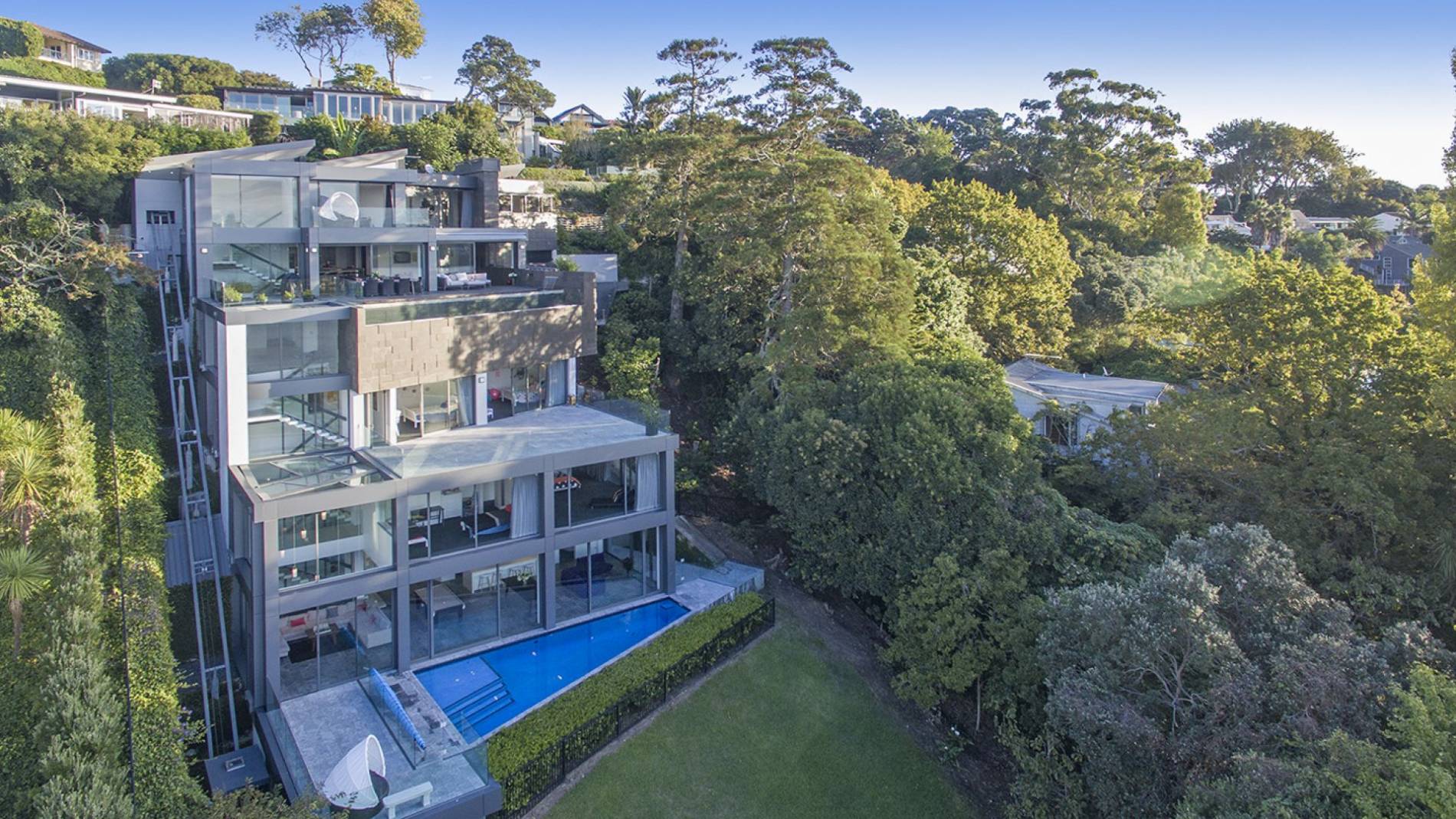
In reality, this change is expected to affect a very small slice of the housing market.
According to Kelvin Davidson, chief property economist at Cotality, homes valued at $5m+ represent less than 0.5 percent of New Zealand’s housing stock.
Those properties are concentrated mainly in:
-
🏙️ Auckland’s premium suburbs
-
🏔️ Queenstown and surrounds
Even then, only a few hundred transactions per year occur at that price level.
Rural land, farmland, and sensitive land remain excluded.


📉 Is this an easing of the foreign buyer ban?
Not really.
Davidson describes the move as highly specific, not a rollback.
The core foreign buyer ban — introduced in 2018 — remains intact for mainstream residential property.
Prime Minister Christopher Luxon has described the change as a “balanced compromise”, aimed at encouraging productive investment without reopening the door to speculative demand.
🌍 Why the Government made the move
The change sits within a wider strategy to position New Zealand as “open for business” while competing globally for mobile capital.
As of mid-December, Immigration data showed:
-
📄 491 investor visa applications
-
👥 Covering 1,571 people
-
💰 Representing at least $2.9 billion in potential investment
Associate Finance Minister David Seymour has also highlighted faster decision-making as part of the reform, with most overseas investment approvals now required within 15 working days, down from a previous 70-day timeframe.
⚖️ Was it rushed?
Yes — and that’s drawn some criticism.
The changes were passed late at night under parliamentary urgency and introduced via amendment, meaning no new public submissions were taken specifically on softening the foreign buyers ban.
While the Government signalled the change earlier in the year, some in the property sector were surprised by the speed of its final passage.
🏠 Will this push up house prices?
Most analysts say no.
With the national median house price sitting around $800,000, the $5m-plus segment operates in an entirely different universe.
The Real Estate Institute of New Zealand has welcomed the move, describing it as sensible reform that maintains safeguards while removing unnecessary barriers.
Even Winston Peters, who helped introduce the original ban in 2018, has described the change as “very minor”, supporting it as a way to capture investor benefit without reopening past abuses.
🧭 The bigger picture for property
From a property-market perspective, the change is symbolic more than structural.
It signals:
-
🔹 New Zealand wants high-value investors
-
🔹 The foreign buyer ban remains largely intact
-
🔹 Ultra-premium property operates under different rules
-
🔹 Broader affordability is unlikely to be affected
For most buyers and sellers, nothing changes.
But for New Zealand’s global investment pitch, the message is clear:
capital is welcome — but only on New Zealand’s terms