
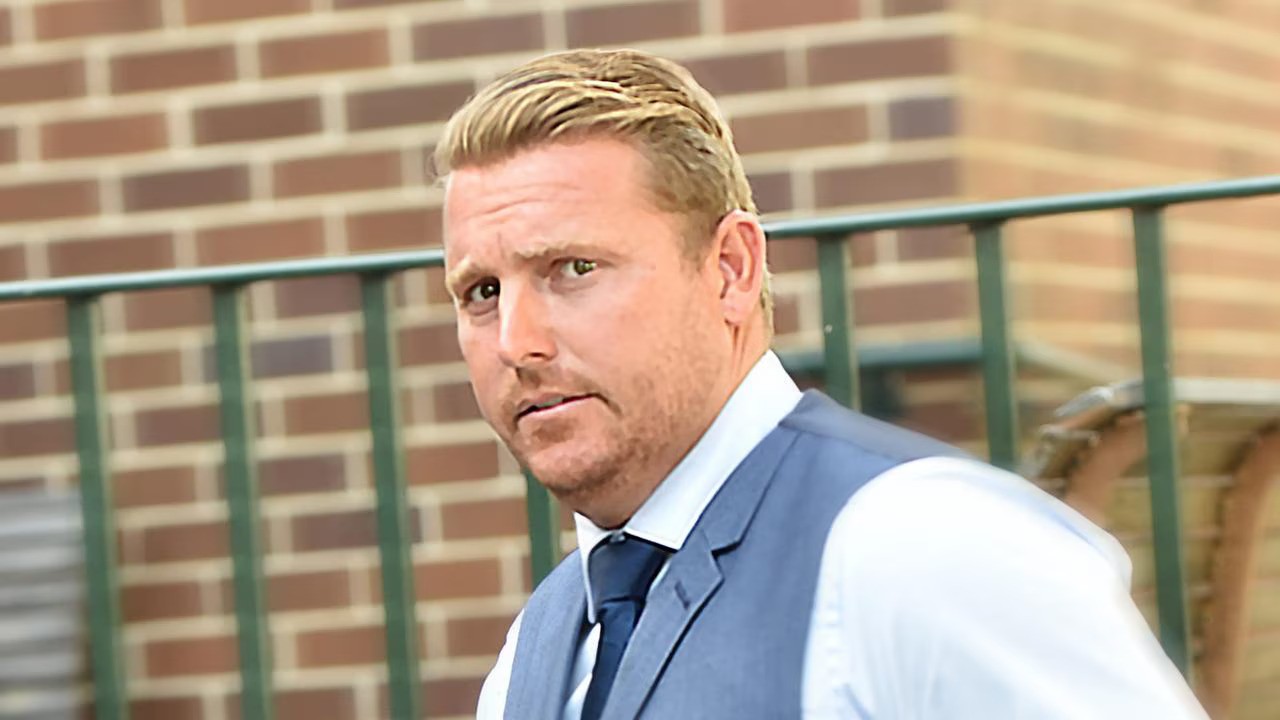
PHOTO: Timothy Peter Smith, a former Northern Beaches real estate agent
A former Sydney real estate agent with a highly publicised criminal history has once again found himself in the spotlight after being accused of attempting to avoid paying a $1,246 restaurant bill by allegedly sending a fake bank transfer receipt.
The allegations, which have attracted widespread media attention in Australia, involve Timothy Peter Smith, a former Northern Beaches real estate agent who has previously admitted to defrauding clients while working in the property industry.
If proven in court, the latest claims add another chapter to a story that has already significantly damaged trust in the profession.
Unlock 1.2 Million+ Aussie Business Contacts — No Subscriptions, No Limits
The Allegations
According to reports, a Sydney burger restaurant owner claims Smith and a group of diners accumulated a bill totalling $1,246 before leaving the venue.
When payment was requested, the business owner alleges Smith supplied what appeared to be proof of a completed bank transfer.
However, the restaurant later claimed the funds never arrived.
The owner subsequently alleged the receipt supplied had been falsified.
At the time of writing, these are allegations that have been reported publicly and remain subject to legal processes.
Restaurant Owner Speaks Out
Media reports suggest the restaurant owner spent considerable time attempting to recover payment after believing the transfer had been completed.
When the money failed to arrive, further communication reportedly followed before the matter attracted wider public attention.
For many small hospitality businesses, unpaid bills of this size represent a significant financial loss.
Margins within the hospitality sector remain extremely tight, making incidents like this particularly costly.
A Troubled History
The allegations come after years of legal troubles involving Smith.
In 2019, he admitted to dishonestly obtaining money from clients while working in Sydney’s real estate industry.
Court proceedings at the time heard that more than $31,000 had been obtained through fraudulent conduct involving clients of a real estate agency.
Those offences resulted in criminal convictions and effectively ended his career in residential real estate.
Cocaine Addiction Previously Raised in Court
During earlier legal proceedings, Smith’s defence told the court he had been suffering from what was described as an “out-of-control” cocaine addiction at the time many of the offences occurred.
The addiction was presented as a significant contributing factor to his behaviour.
While addiction can provide important context in criminal proceedings, it does not excuse unlawful conduct or remove accountability for actions that affect victims.
Further Court Proceedings
Smith has also recently returned before the courts following allegations of breaching bail conditions.
Media reports indicate those proceedings remain ongoing.
As with all criminal matters before the courts, allegations remain subject to the legal process until determined.
Trust Is Everything in Real Estate
Although this case centres on one individual, it highlights a much broader issue within the property industry.
Real estate professionals routinely handle:
- Large financial transactions.
- Confidential information.
- Trust accounts.
- Vendor funds.
- Buyer deposits.
- Sensitive negotiations.
Consumers place enormous trust in licensed professionals throughout the buying and selling process.
Cases involving dishonesty can therefore have consequences far beyond those directly involved.
They risk damaging public confidence in the wider profession.
The Industry Has Strengthened Standards
The overwhelming majority of real estate professionals operate ethically and professionally.
Across Australia, licensing authorities, regulators and agencies have strengthened compliance measures over recent years.
These include:
- Stronger trust account auditing.
- Mandatory licensing requirements.
- Continuing professional development.
- Increased regulatory oversight.
- Tougher disciplinary action.
The aim is to protect both consumers and the reputation of the industry.
Lessons for Consumers
Whether buying, selling or renting property, consumers should always:
✔ Deal with licensed agencies.
✔ Confirm payment instructions directly with the agency.
✔ Verify bank account details before transferring funds.
✔ Retain copies of all communications.
✔ Report suspicious activity immediately.
These simple precautions help reduce the risk of fraud.
Reputation Takes Years to Build
Real estate remains one of Australia’s most relationship-driven industries.
Agents build businesses through:
- Trust.
- Reputation.
- Referrals.
- Professional conduct.
- Community relationships.
Unfortunately, highly publicised cases involving alleged dishonesty can undermine confidence in thousands of hardworking professionals who do the right thing every day.
The Bottom Line
The allegations involving Timothy Peter Smith serve as another reminder of the importance of integrity in business.
Whether in hospitality, property or any other profession, trust remains one of the most valuable assets an individual or business can possess.
While the courts will ultimately determine the outcome of the latest allegations, the case has once again highlighted how quickly reputations can unravel—and how essential honesty is in industries built on public confidence.
Frequently Asked Questions
Who is Timothy Peter Smith?
Timothy Peter Smith is a former Sydney real estate agent who previously admitted to fraud offences involving clients while working in the property industry. He is now facing fresh allegations relating to an unpaid restaurant bill and an alleged fake bank transfer receipt.
Has Timothy Peter Smith been convicted of the latest allegations?
No. At the time of publication, these are allegations that remain subject to legal proceedings.
Why is this story significant?
The case has attracted attention because it involves a former licensed real estate professional with a prior history of fraud convictions, raising broader questions about trust, ethics and accountability in the property industry.