
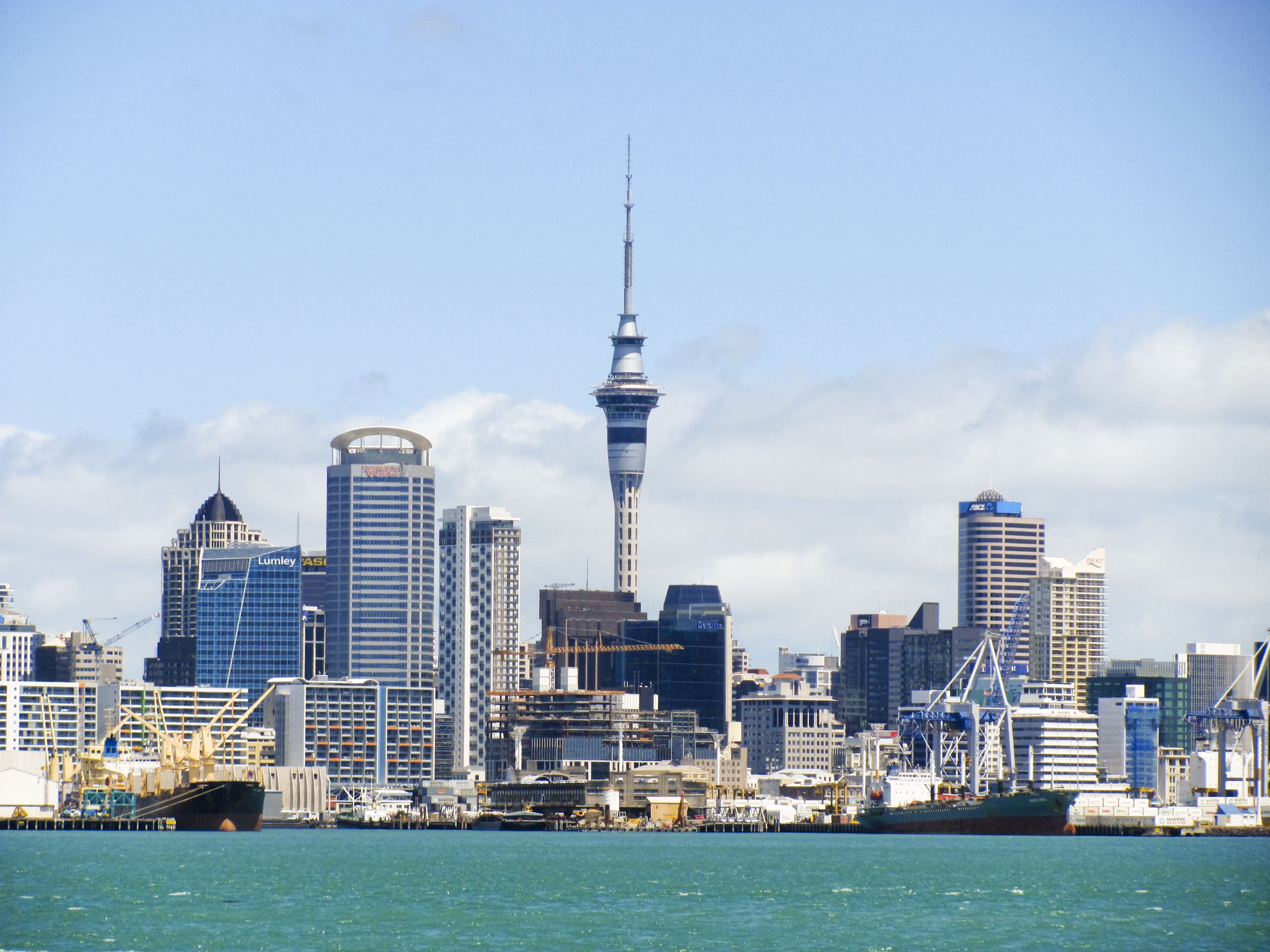
PHOTO: According to the Economist Intelligence Unit, Auckland’s decline wasn’t the result of one major issue. RAW PIXEL
For years, Auckland has proudly featured among the world’s most desirable places to live.
Now, however, New Zealand’s largest city has lost its place among the global elite.
The latest Economist Intelligence Unit (EIU) Global Liveability Index 2026 shows Auckland has slipped from equal seventh place to 12th, while Wellington has also continued its downward slide, dropping out of the world’s top 20 altogether.
The rankings suggest that while New Zealand remains an attractive place to live, other cities around the world are improving faster.
Auckland House Prices 2026: Sales Hit Five-Year High While Prices Continue to Fall
A Significant Change in Just Five Years
The latest rankings are a far cry from 2021.
During the COVID-19 pandemic, Auckland was crowned the world’s most liveable city, with Wellington close behind in fourth place.
New Zealand’s strict border controls, relatively low COVID case numbers and stable public services helped both cities outperform much of the developed world.
Fast forward to 2026, and the picture looks very different.
International travel has returned, global cities have recovered, and competition for the coveted rankings has intensified.
Inside Auckland’s Biggest Real Estate Agency Machine | WATCH
Why Did Auckland Fall?
According to the Economist Intelligence Unit, Auckland’s decline wasn’t the result of one major issue.
Instead, several smaller factors combined to reduce its overall score.
These included:
- Slight declines in healthcare performance.
- Lower infrastructure scores.
- Other international cities improving more quickly.
While Auckland remains one of the world’s highest-ranked cities overall, its relative performance has weakened compared with competitors.
We Asked AI To Rank Auckland’s Top 100 Real Estate Agents – Here’s The List
Wellington Also Continues to Slip
The news wasn’t any better for the capital.
Wellington also dropped further down the rankings, falling outside the world’s top 20.
The city has faced a number of well-publicised challenges over the past year, including:
- Infrastructure concerns.
- Water network issues.
- Public sector restructuring.
- Slower economic activity.
- Higher housing costs.
While these factors weren’t individually identified as reasons for the ranking change, they have contributed to growing public debate around the city’s future.
Australia Continues to Dominate
Across the Tasman, Australia’s major cities continue to perform exceptionally well.
Three Australian cities now feature inside the world’s top 10.
Australia’s Rankings
🥉 Melbourne – 3rd
🏅 Sydney – 4th
🏅 Adelaide – 8th
Australia’s strong showing reflects continued investment in infrastructure, healthcare, education and urban development.
For many New Zealanders considering relocating, these rankings are likely to fuel further discussion about opportunities across the Tasman.
The World’s Most Liveable Cities in 2026
According to the Economist Intelligence Unit, the world’s top 10 cities are:
| Rank | City | Country |
|---|---|---|
| 1 | Copenhagen | Denmark |
| 2 | Vienna | Austria |
| 3 | Melbourne | Australia |
| 4 | Sydney | Australia |
| 5 | Zurich | Switzerland |
| 6 | Geneva | Switzerland |
| 7 | Osaka | Japan |
| 8 | Adelaide | Australia |
| 9 | Vancouver | Canada |
| 10 | Tokyo | Japan |
The list demonstrates the continuing dominance of cities offering strong public services, political stability and high-quality infrastructure.
What Makes a City “Liveable”?
The Global Liveability Index evaluates 173 cities across five major categories:
- Stability
- Healthcare
- Culture and Environment
- Education
- Infrastructure
Rather than measuring affordability or house prices alone, the rankings assess the overall quality of life residents experience.
Global Events Also Played a Role
This year’s report noted that geopolitical instability affected many parts of the world.
Conflict involving Iran, Israel and the United States, along with disruption to shipping through the Strait of Hormuz, negatively impacted stability scores across much of the Middle East.
Several cities in the region experienced significant declines as a result.
At the opposite end of the rankings, Damascus, Syria, remained the world’s least liveable city.
What Does This Mean for Auckland?
Despite falling out of the top 10, Auckland remains one of the highest-ranked cities on the planet.
Finishing 12th out of 173 cities is still an achievement many international cities would envy.
However, the latest results should also serve as a reminder that maintaining world-class liveability requires ongoing investment.
Infrastructure, transport, healthcare and housing all play critical roles in ensuring cities remain attractive places to live.
As Auckland continues to grow, these challenges are likely to become even more important.
Could This Affect Property Prices?
High liveability rankings often enhance a city’s international reputation.
They can:
- Encourage skilled migration.
- Support tourism.
- Attract international investment.
- Increase demand for residential property.
Conversely, slipping down the rankings doesn’t automatically reduce house prices.
Property markets are driven by many factors including:
- Interest rates.
- Employment.
- Population growth.
- Housing supply.
- Affordability.
Nevertheless, maintaining Auckland’s reputation as one of the world’s premier cities remains important for its long-term economic competitiveness.
The Bottom Line
Auckland may no longer sit inside the world’s top 10 most liveable cities, but it remains one of the globe’s most desirable urban centres.
The latest rankings highlight how competitive international cities have become—and how quickly fortunes can change.
For New Zealand, the challenge is clear.
Maintaining world-class infrastructure, healthcare, transport and public services will be critical if Auckland and Wellington are to climb the rankings once again.
Because in an increasingly competitive world, standing still often means falling behind.
Frequently Asked Questions
Where did Auckland rank in 2026?
Auckland ranked 12th in the Economist Intelligence Unit’s 2026 Global Liveability Index, down from equal seventh the previous year.
Which city was ranked number one?
Copenhagen, Denmark, retained the title of the world’s most liveable city in 2026.
Why did Auckland fall?
The report cited slightly lower healthcare and infrastructure scores, combined with stronger improvements made by other cities around the world.