
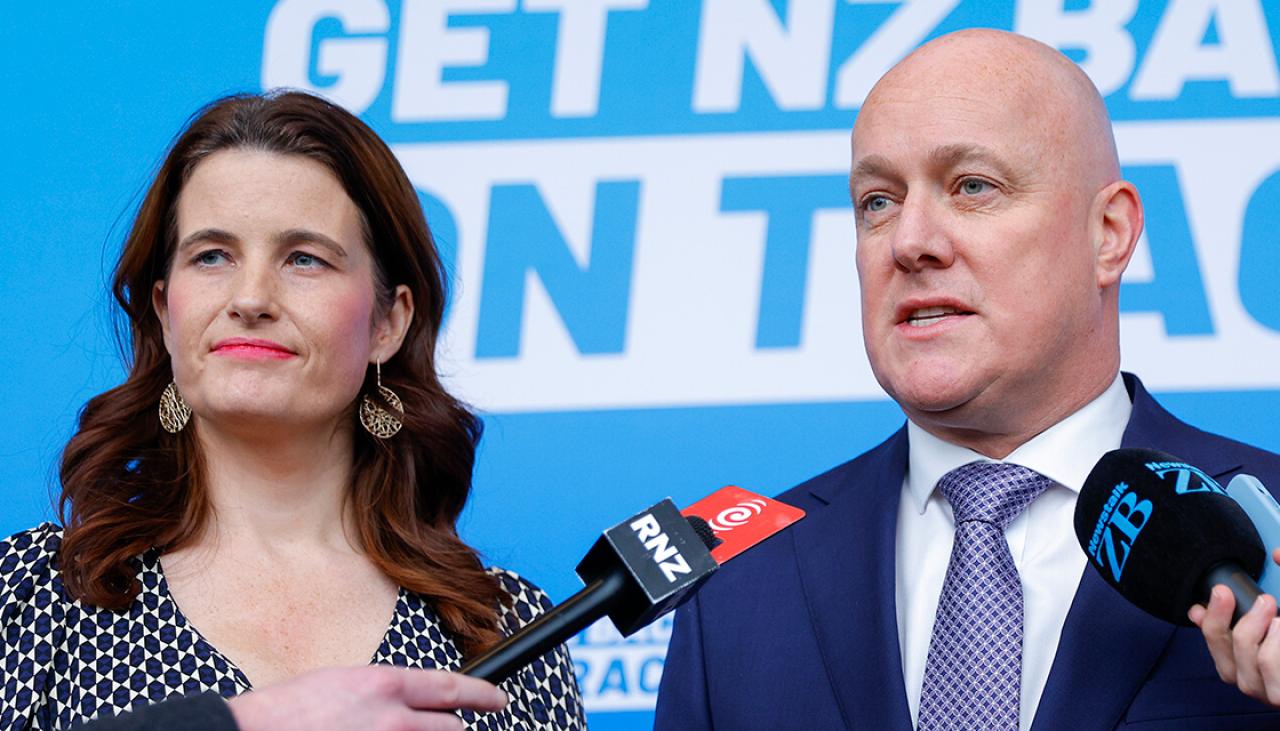
PHOTO: Housing has become one of New Zealand’s biggest political issues. FILE
Are Buyers and Sellers Waiting for Election Day?
New Zealand’s property market has shown signs of stabilising during 2026, but one question continues to dominate conversations among homeowners, investors and real estate professionals:
Is the market simply waiting for the General Election?
Across the country, agents are reporting cautious buyers, investors are delaying decisions, and many vendors are finding properties taking longer to sell. While interest rates, affordability and housing supply all play a role, growing political uncertainty is increasingly becoming part of the conversation.
Whether it’s a first-home buyer considering when to purchase, an investor looking to expand a portfolio, or a homeowner deciding whether to sell now or wait, many appear to be taking a “wait and see” approach until the election outcome becomes clear.
How The Data Company Helps Businesses Prospect Legally in New Zealand’s Changing Privacy Landscape
Politics Has Always Influenced Property
Housing has become one of New Zealand’s biggest political issues.
Successive governments have introduced significant changes affecting homeowners and investors, including:
- Changes to interest deductibility.
- Adjustments to the Bright-line Test.
- Healthy Homes requirements.
- Residential tenancy reforms.
- First-home buyer support.
- Investor taxation changes.
As a result, many property owners now recognise that Government policy can directly affect property values, investment returns and confidence.
Investors Are Watching Closely
One of the biggest questions surrounds what happens after the election.
Investors are carefully monitoring signals around:
- Tax policy.
- Rental regulations.
- Interest deductibility.
- Tenancy legislation.
- Housing supply initiatives.
Many investors remain reluctant to make major purchasing decisions until there’s greater certainty about the policy direction of the next government.
First-Home Buyers Also Face a Dilemma
It’s not just investors who are waiting.
Many first-home buyers are asking:
- Will house prices fall further?
- Will mortgage rates decline again?
- Will government assistance change?
- Should I buy now or wait?
With more listings available in many regions and less competition than during the pandemic boom, buyers currently have greater negotiating power. However, uncertainty about future interest rates and housing policies is causing many to delay making offers.
Interest Rates Still Matter
Although politics is influencing confidence, interest rates remain one of the biggest drivers of housing demand.
Many economists believe the Reserve Bank of New Zealand is nearing the end of its easing cycle, although the timing of future changes remains uncertain.
Lower borrowing costs generally encourage more buyers into the market, but if people are unsure about future government policy, the impact can be muted.
The Supply Picture Has Changed
Unlike the overheated market of 2021, today’s market offers buyers significantly more choice.
Many regions are experiencing:
- Higher listing numbers.
- Increased townhouse supply.
- Longer days on market.
- More price negotiation.
- Greater competition among sellers.
This gives buyers time to compare properties rather than feeling pressured into quick decisions.
Could Activity Surge After the Election?
History suggests political uncertainty often causes people to pause major financial decisions.
Once an election result is known—and policy direction becomes clearer—confidence can improve simply because uncertainty has been removed.
That doesn’t necessarily mean house prices will rise immediately, but increased certainty often encourages:
- Investors to re-enter the market.
- First-home buyers to commit.
- Vendors to list properties.
- Banks to lend with greater confidence.
Regional Markets Will Perform Differently
Not every part of New Zealand will react the same way.
Markets driven by strong population growth, employment and limited housing supply may recover more quickly than areas with higher inventory levels or slower economic growth.
Regions such as Canterbury, Waikato, Bay of Plenty, and parts of Otago continue to attract attention, while some larger metropolitan markets remain more subdued.
Should Buyers Wait?
There’s no single answer.
Waiting could provide greater political certainty, but it could also mean facing increased competition if buyer confidence improves after the election.
Likewise, sellers who wait may benefit from stronger demand—or they may simply face the same market conditions with different political leadership.
Property decisions should ultimately be based on personal circumstances rather than election cycles alone.
The Bottom Line
The New Zealand property market isn’t standing still—but it is moving cautiously.
Political uncertainty has become another factor influencing buyer and investor confidence, alongside interest rates, affordability and housing supply.
Whether activity accelerates after the election will largely depend on the policies introduced by the next government and how quickly confidence returns.
One thing is certain: the 2026 General Election is shaping up to be one of the most closely watched events for New Zealand’s housing market in recent years.