

PHOTO: FILE
📉 Housing Sales Fall as Market Loses Momentum
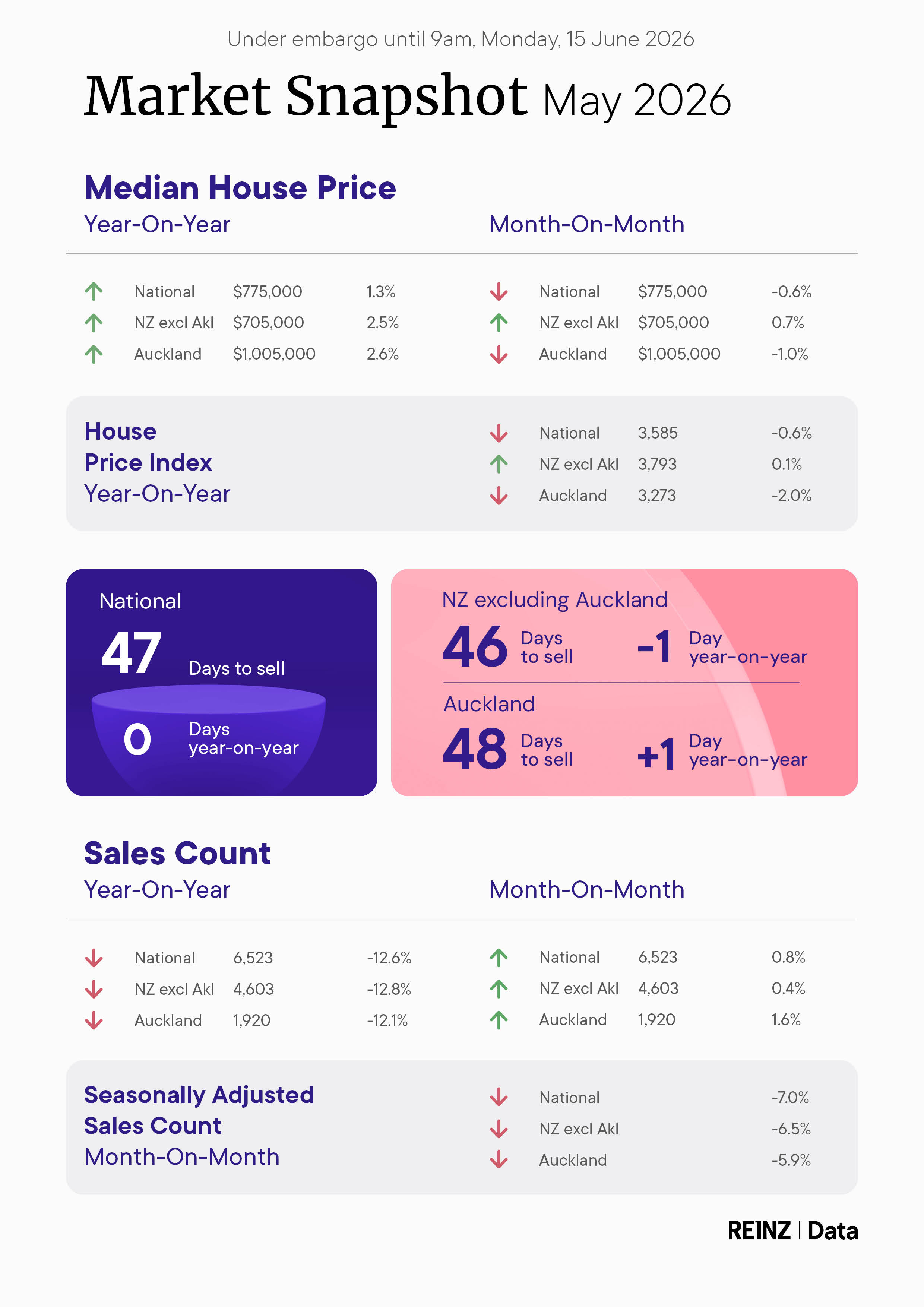
New Zealand’s residential property market lost momentum in May, with housing sales dropping sharply and property values remaining under pressure as buyers become increasingly cautious amid economic uncertainty, cost-of-living challenges and election-year nerves.
While the market is far from a crash, the latest housing data suggests the recovery seen throughout much of 2025 has stalled, with both Auckland and regional markets experiencing weaker sales activity and softer price growth.
Residential sales across New Zealand declined by more than 12% compared to the same period last year, highlighting the growing hesitation among buyers.
Real estate professionals report that purchasers are taking longer to commit, carrying out more due diligence and negotiating harder before signing contracts.
🏠 House Prices Continue to Drift Sideways
Despite falling sales volumes, house prices have remained relatively stable overall.
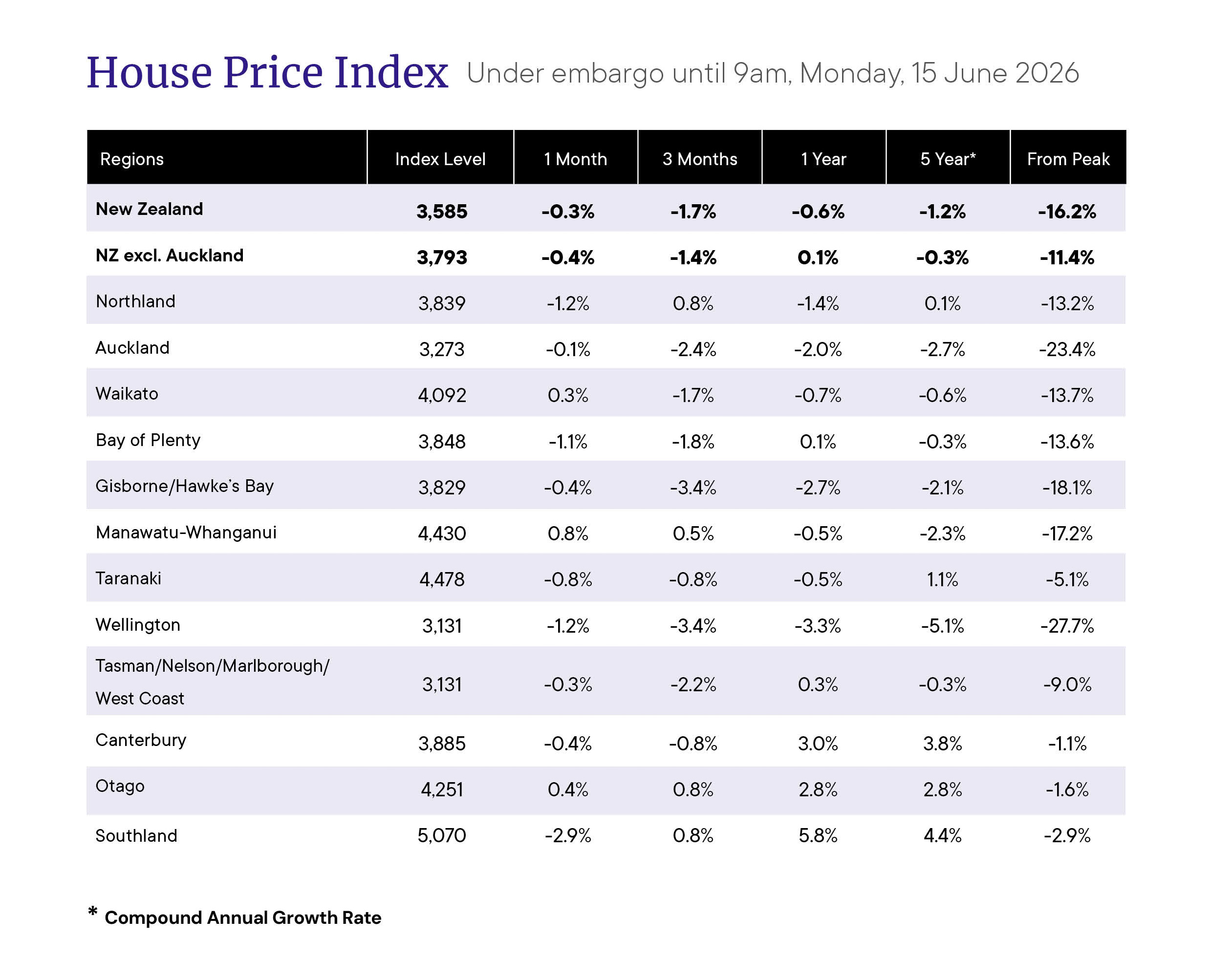
However, the underlying trend remains soft, with New Zealand’s House Price Index recording another decline during May. Property values are now lower than both three months ago and a year ago.
The national median selling price remains relatively steady, suggesting the market is neither booming nor collapsing. Instead, New Zealand appears to be entering a prolonged period of slower growth and increased buyer caution.
For many homeowners, the rapid capital gains experienced during previous market cycles are becoming increasingly difficult to replicate.
🌆 Auckland Property Market Remains Under Pressure
Auckland continues to face significant affordability challenges.
Higher mortgage repayments, elevated living costs and increased housing supply are providing buyers with greater choice than they have enjoyed in several years.
As a result, many Auckland vendors are adjusting price expectations to meet market conditions.
Properties that are realistically priced continue to attract attention, while overpriced listings are often remaining on the market for longer periods.
The days of multiple-offer frenzies have largely given way to a more balanced negotiating environment.
🏛️ Wellington Struggles with Confidence Issues
Wellington remains one of the weaker performing housing markets in New Zealand.
Public sector restructuring and ongoing employment uncertainty have weighed heavily on buyer confidence throughout the capital.
Combined with election-year caution and wider economic concerns, many prospective purchasers are delaying decisions until there is greater clarity around future economic conditions.
Local agents report that buyers remain active but are far more selective than they were during previous years.
💰 Cost of Living Continues to Impact Buyers
Household budgets remain under significant pressure.
Rising insurance costs, fuel prices, council rates and everyday living expenses are reducing the amount many buyers feel comfortable borrowing.
This has created a more cautious environment where affordability often outweighs urgency.
First-home buyers continue to participate in the market, but many are prioritising value and lifestyle considerations over fear of missing out.
Investors are also becoming increasingly selective, focusing on rental demand, yields and long-term growth potential rather than short-term speculation.
📊 What Does This Mean for Buyers and Sellers?
For buyers, the current market presents opportunities.
Greater housing stock levels and slower sales activity mean there is more time to negotiate and conduct thorough due diligence.
For sellers, presentation, realistic pricing and strong marketing remain critical.
Properties that are well-presented and priced appropriately continue to sell, while those priced above market expectations are facing longer selling periods.
The balance of power has shifted noticeably compared to the seller-driven conditions experienced in previous years.
🔮 Outlook for the New Zealand Property Market
The second half of 2026 is likely to be influenced by several key factors:
- The upcoming New Zealand general election.
- Ongoing cost-of-living pressures.
- Employment confidence.
- Future Reserve Bank decisions.
- Consumer sentiment and borrowing confidence.
While most analysts are not forecasting a significant housing downturn, there is also little evidence to suggest rapid price growth will return anytime soon.
Instead, the market appears likely to remain balanced, with modest price movements and buyers maintaining stronger negotiating positions.
📌 Key Takeaways
✅ National house sales have fallen significantly.
✅ House prices remain slightly lower than a year ago.
✅ Auckland continues to face affordability pressures.
✅ Wellington’s market remains weak due to confidence concerns.
✅ Buyers are becoming increasingly selective.
✅ Cost-of-living pressures are influencing purchasing decisions.
✅ Sellers need realistic expectations in today’s market.
The New Zealand property market remains stable but subdued, with both buyers and sellers navigating a more cautious and measured housing environment than we’ve seen in recent years.