

PHOTO: RAWPIXEL
Auckland Faultline Warning Raises Fresh Fears For Housing Market
A newly released study warning that an Auckland faultline could generate a magnitude 6.8 earthquake is likely to send shockwaves through the city’s housing market, insurance sector and long-term urban planning.
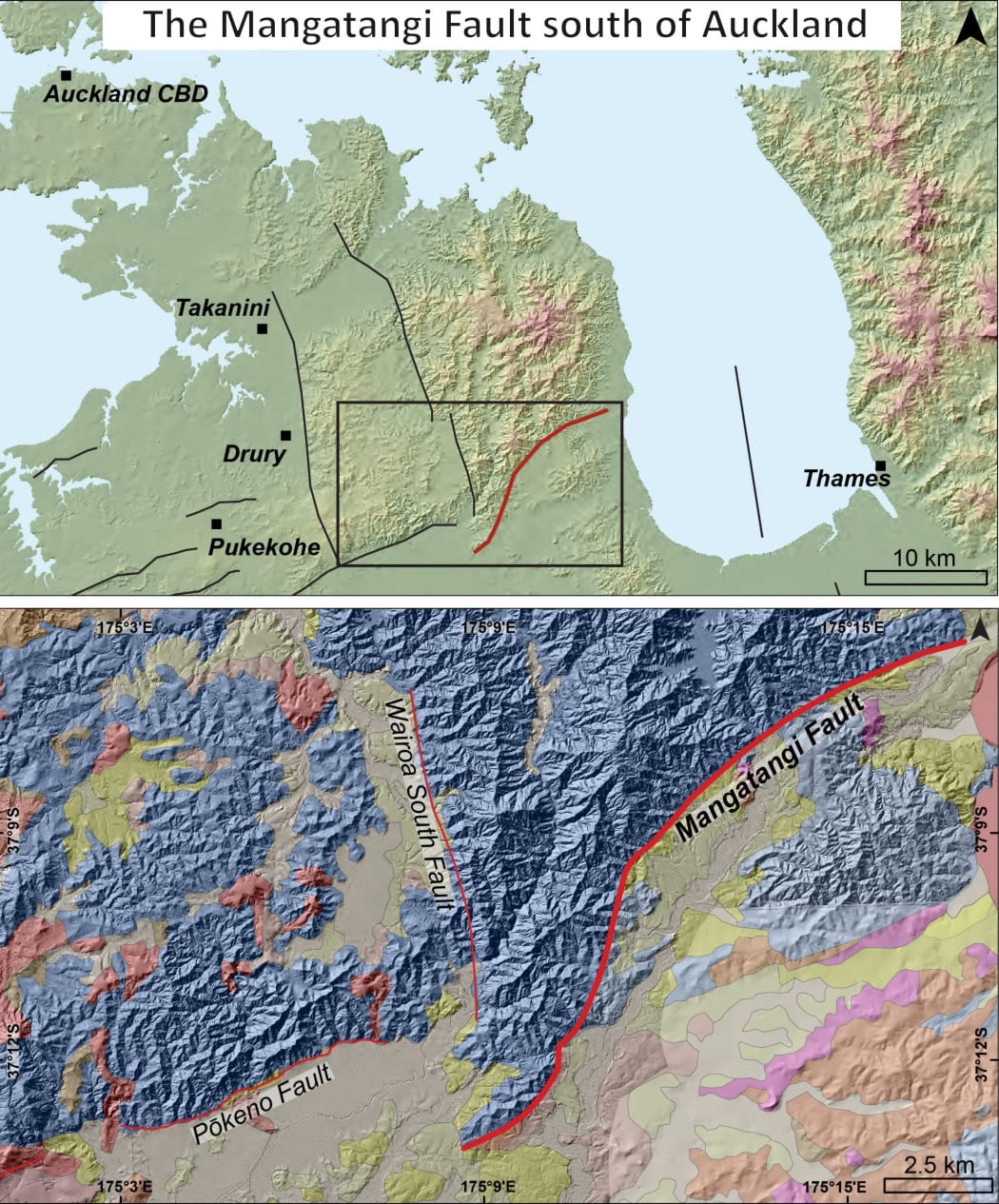
Researchers from the University of Auckland say the Mangatangi Fault, running alongside the Hunua Ranges in South Auckland, is now considered active and capable of producing a significant earthquake event with “serious consequences” for Aucklanders.
While experts stress such an event may not occur for tens of thousands of years, the findings raise uncomfortable questions for homeowners, developers, insurers and councils — particularly as Auckland continues expanding rapidly south.
Could This Crush Property Values In Parts Of Auckland?
History shows that once earthquake risk enters public discussion, property markets can react quickly.
Even the perception of heightened seismic risk can impact:
- Buyer confidence
- Insurance availability
- Lending policies from banks
- Long-term development planning
- Infrastructure investment decisions
South Auckland suburbs near the Hunua Ranges and growth corridors could face increased scrutiny from insurers and developers if seismic mapping intensifies.
For many Auckland homeowners, the idea that the city sits on an active faultline will come as a major surprise. Auckland has traditionally been viewed as one of New Zealand’s safer regions from a major earthquake perspective compared with Wellington or much of the South Island.
That perception may now be changing.
Mangatangi Fault near the Hunua Ranges in South Auckland. Photo: Supplied
Insurance Costs Could Surge
One of the biggest threats to Auckland housing may not be the earthquake itself — but what happens afterward in the insurance market.
If insurers reassess seismic risk in Auckland:
- Premiums could rise sharply
- Some areas may face tougher excesses
- New builds may require additional engineering
- Buyers could face stricter lending requirements from banks
This has already occurred in earthquake-prone regions across New Zealand following major seismic events.
With Auckland already battling affordability pressures, high interest rates and infrastructure constraints, additional insurance and compliance costs could place further strain on homeowners and developers.
South Auckland Expansion Under The Spotlight
The study specifically warned that continued expansion south of Auckland is placing more people and infrastructure closer to the faultline.
That raises major planning questions around:
- Future subdivisions
- Transport infrastructure
- Water and utility networks
- Intensification projects
- Emergency management capability
As Auckland pushes outward to solve its housing shortage, critics may now argue the city is building directly into future seismic risk zones.

Lead author Hannah Martin. Photo: Supplied
Auckland’s “Low Risk” Reputation May Be Over
Co-author Dr James Muirhead said Auckland’s hazard level is “obviously nothing like Wellington’s”, but may still be “significantly higher than the public and policymakers believe”.
That statement alone could reshape how many people view Auckland property.
For decades, Auckland has benefited from being perceived as:
- New Zealand’s economic powerhouse
- A relatively low natural disaster risk area
- A safer long-term property investment market
But increasing climate risks, flooding events and now active faultline concerns may begin changing that narrative.
What Happens Next?
Researchers are continuing investigations using:
- Advanced mapping
- Ground-penetrating radar
- Trenching technology
The goal is to better understand Auckland’s seismic history and determine how active surrounding fault systems truly are.
Importantly, experts are not predicting an imminent earthquake. However, the study serves as a warning that Auckland may not be as geologically stable as many residents assume.
And in property markets, perception alone can be enough to change behaviour.
A Wake-Up Call For Auckland Housing?
The findings could ultimately become a turning point in how Auckland approaches:
- Urban growth
- Housing intensification
- Infrastructure resilience
- Building standards
- Insurance risk
For homeowners already facing affordability pressures, the prospect of seismic risk entering the equation is unlikely to be welcomed.
Because while the earthquake itself may never happen in our lifetime, the impact on confidence, insurance and housing values could begin much sooner.
SOURCE: RNZ