

PHOTO: Nicole Montero Gozza. ZILLOW
Real estate is often portrayed as glamorous—luxury homes, million-dollar sales and successful negotiations.
But behind every open home and listing presentation lies a reality many people never consider.
Real estate professionals regularly meet complete strangers, often alone, at vacant properties.
For one Nevada real estate agent, a routine listing appointment quickly turned into a situation she says left her fearing for her safety.
The story has since gone viral on social media, prompting renewed discussion about personal safety in the real estate industry.
NEW | Access New Zealand’s Ultimate Real Estate Agent Database — 18,000+ Agents & Agencies Included
A Routine Enquiry
According to Nevada real estate agent Nicole, the appointment initially appeared completely ordinary.
She received an enquiry from a man wanting to sell his property.
After speaking with him by phone, she arranged a time to inspect the home before preparing to list it for sale.
Nothing about the booking appeared particularly unusual—at least initially.
Something Didn’t Feel Right
While driving to the property, Nicole says she began experiencing an uneasy feeling she couldn’t explain.
Looking back, she recalls several details that seemed unusual.
During their earlier video conversation, she says the prospective client wore sunglasses indoors throughout the discussion.
While not necessarily suspicious on its own, she later viewed it as one of several small details that contributed to her growing discomfort.
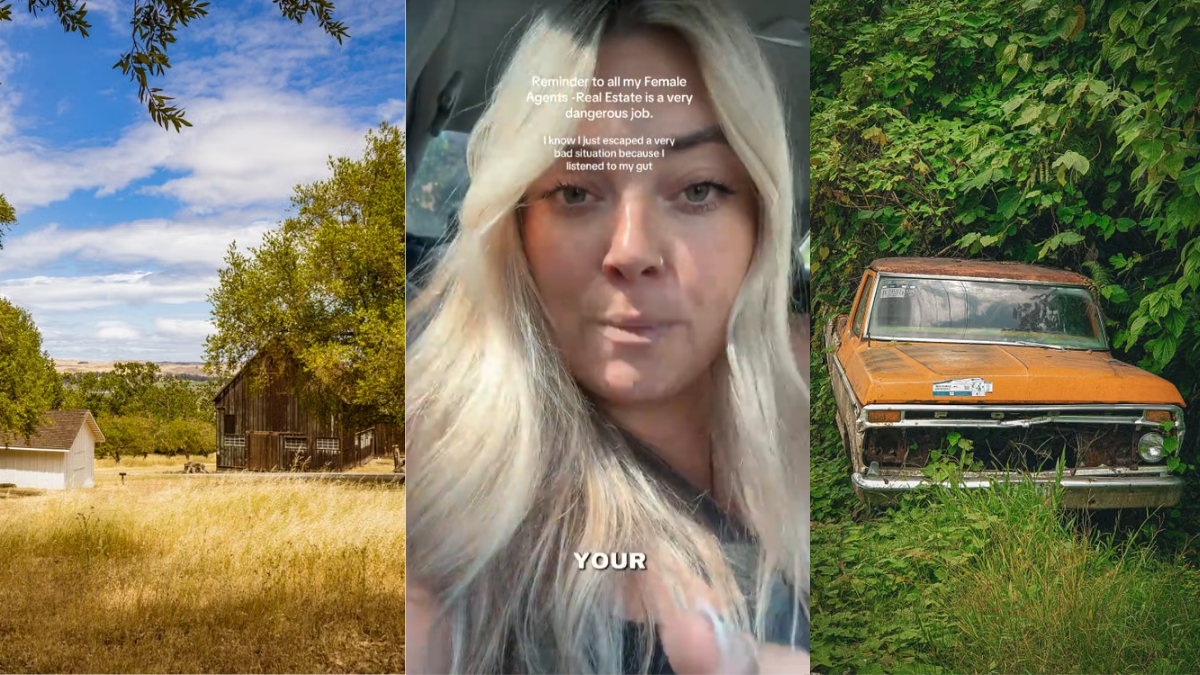
@nicolerealestateboss This was one of those moments it makes me question why I do this job. It’s only happened a few times in my career, but it just reminds me to stay vigilant. So please please please. Listen to your gut. No amount of money is worth putting yourself in a potentially dangerous situation. #femalerealestateagent#Realtor#realtoroftiktok#newrealestateagent
The Property Didn’t Match the Description
Nicole says another warning sign appeared after the client sent photographs of the property.
The home shown looked significantly different from what had been described during their conversation.
Rather than a typical suburban home, she says the property appeared to be:
- A manufactured home
- Located on a large rural block
- Surrounded by multiple sheds
- Situated well outside town
Although rural properties were not unusual in her market, she says the inconsistencies added to her concerns.
An Unusual Scene
When she arrived, Nicole says several vehicles immediately caught her attention.
According to her account:
- One truck appeared to be positioned in a way that partially blocked the property’s entrance.
- Another vehicle was parked behind one of the sheds.
- A third vehicle was also on the property.
Rather than entering immediately, she decided to slowly drive around the site to better assess the situation.
Two Men Allegedly Hiding
Nicole says she then noticed behaviour she found alarming.
She claims one man appeared to quickly duck down inside a vehicle after seeing her drive past.
She also says another man was crouching beside a truck near the property’s entrance.
Unsure what was happening—and unwilling to take unnecessary risks—she made an immediate decision.
She left.
Trusting Her Instincts
After driving away safely, Nicole contacted the prospective client to cancel the appointment.
She advised him to find another real estate agent.
According to Nicole, she never received a response.
Whether the situation was genuinely suspicious or simply an unfortunate misunderstanding remains unknown.
However, Nicole says she has no regrets about trusting her instincts.
A Message to Other Agents
Following the incident, Nicole shared her experience online to encourage other real estate professionals to prioritise their personal safety.
Her advice was simple:
- Listen to your instincts.
- Don’t ignore warning signs.
- Never feel obligated to enter a situation that feels unsafe.
- Your personal safety is more important than any listing.
Her message has resonated with thousands of agents around the world.
Safety Is an Ongoing Issue in Real Estate
Unlike many professions, real estate agents frequently:
- Meet strangers they’ve never met before.
- Conduct inspections alone.
- Enter vacant homes.
- Travel to isolated rural properties.
- Hold private open homes.
These unique working conditions mean personal safety remains an important issue across the industry.
Many agencies now have formal safety procedures, including:
- Checking in before and after appointments.
- Sharing appointment details with colleagues.
- Using location tracking apps.
- Verifying client identities before inspections.
- Avoiding isolated appointments after dark.
Practical Safety Tips for Real Estate Professionals
Industry experts often recommend that agents:
✔ Confirm a client’s identity before appointments.
✔ Let someone know exactly where you’re going.
✔ Keep your mobile phone fully charged.
✔ Park where you can leave quickly if necessary.
✔ Avoid allowing yourself to become trapped inside a property.
✔ Trust your instincts if something feels wrong.
No commission cheque is worth risking your personal safety.
The Bottom Line
Whether Nicole’s experience was the result of criminal intent or simply an unfortunate coincidence may never be known.
What her story has done, however, is spark an important conversation throughout the real estate industry.
Agents spend their careers helping people buy and sell homes—but they also regularly place themselves in unfamiliar environments with people they’ve only just met.
Sometimes, the most valuable skill a real estate professional can have isn’t negotiating.
It’s recognising when something doesn’t feel right—and having the confidence to walk away.
Frequently Asked Questions
Where did this incident occur?
According to Nicole’s account, the incident took place during a property appointment in northern Nevada, USA.
Was anyone harmed?
No. Nicole chose to leave the property before entering and later cancelled the appointment.
What can real estate agents learn from this?
The story highlights the importance of personal safety, verifying clients where possible, following agency safety procedures and trusting your instincts if a situation feels unsafe.
SOURCE: THE MARY SUE