









PHOTO: Tom Panos. FILE
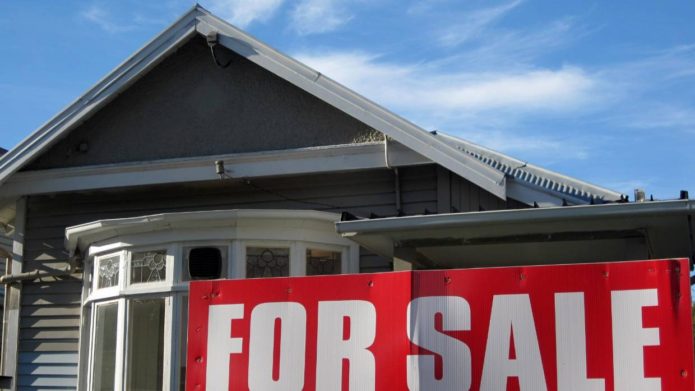
Australia’s real estate industry is entering a period of painful change, with softer property conditions exposing the agents who relied on booming prices, buyer panic and easy commissions rather than genuine sales expertise.
During the post-pandemic property surge, homes often sold quickly, buyers competed aggressively and vendors watched prices climb. In that environment, even relatively inexperienced agents could appear successful.
But the market has changed.
Buyer confidence has weakened, auction clearance rates have fallen, vendors are becoming harder to manage and agents are being forced to work significantly harder for every listing and sale.
The result could be one of the biggest shakeouts the Australian real estate industry has seen in years.
The Property Boom Hid Weaknesses Across the Industry
For several years, market momentum helped disguise the difference between an exceptional real estate agent and an average one.
When buyers were afraid of missing out, an agent could list a property, hold an open home, collect multiple offers and allow competition to drive the final price.
Strong market conditions made many agents look more skilled than they actually were.
Prominent Australian real estate coach and Real Estate Gym founder Tom Panos believes the current slowdown is finally revealing which agents possess genuine sales ability.
Using the well-known Warren Buffett analogy about discovering who has been “swimming naked” when the tide goes out, Panos suggested that a substantial section of the industry is now being exposed.
In other words, when property prices were rising rapidly, agents could hide behind the strength of the market. Now that buyers are more cautious and transactions are becoming difficult, weaknesses in negotiation, prospecting and vendor management are much harder to conceal.
Australian Real Estate Agents Are Quietly Leaving
A growing number of agents who entered the profession during the boom are reportedly reconsidering their futures.
Many were attracted by the apparent glamour of luxury listings, social media visibility and large commission cheques. International real estate programmes presented an image of expensive cars, designer clothing and multimillion-dollar properties changing hands with apparent ease.
The Australian reality is now looking considerably different.
Agents must compete for fewer listings, spend more time prospecting and deal with vendors who may still expect yesterday’s prices.
At the same time, buyers are becoming more selective, finance remains a major consideration and homes that once may have sold within days can now require longer campaigns and difficult price conversations.
The agents who entered the industry believing confidence and personality would be enough are discovering that real estate requires much more.
“Opening Doors” Is No Longer Enough
The role of the real estate agent is changing from transaction coordinator to trusted adviser, negotiator and, at times, amateur psychologist.
In a rapidly rising market, the physical act of opening a property and collecting offers could sometimes produce a successful result.
In a slower market, agents need to understand why a buyer is hesitating, what is preventing an offer and how to guide that person through financial and emotional uncertainty.
The value of the agent is no longer simply providing access to a property. It is helping buyers and sellers make decisions when neither side feels entirely comfortable.
That involves:
- Understanding buyer motivation and fear
- Managing unrealistic vendor expectations
- Presenting evidence rather than empty optimism
- Creating competition when demand is limited
- Negotiating without destroying trust
- Maintaining communication through longer campaigns
These are genuine professional skills. They cannot be replaced by a large social media following or a polished listing presentation.
Real Estate Agent Walks Away After Trusting Her Instincts During Property Appointment | WATCH
Vendor Management Will Separate the Best From the Rest
One of the most difficult challenges facing agents is the widening gap between seller expectations and current buyer behaviour.
Many homeowners continue to base their price expectations on peak-market results, even when the most recent comparable sales indicate that conditions have shifted.
Some sellers believe their property should still achieve the same price as a neighbouring home sold during a stronger period. Others interpret lower offers as evidence that the agent has failed rather than as an indication of changing demand.
The strongest agents are now having direct conversations with vendors before and during the campaign.
That means explaining that a lower sale price does not always produce a worse overall outcome, particularly when the vendor is also purchasing in the same softer market.
A homeowner may sell for less than they once expected, but they may also secure their next property at a significantly reduced price.
This is a more complicated conversation than simply promising a record result. It requires market knowledge, honesty and the confidence to risk losing a listing rather than agreeing to an unrealistic price.
Agents who cannot hold that conversation may spend weeks working on unsaleable listings while more capable competitors build reputations for delivering realistic advice.
Former Real Estate Agent Accused of Sending Fake Bank Receipt Over Unpaid Restaurant Bill
Prospecting Skills Are Becoming Essential Again
During the boom, listings often came through referrals, market activity and homeowners eager to take advantage of rapidly increasing values.
That flow is no longer guaranteed.
Agents must once again create opportunities through disciplined prospecting, database management, local market knowledge and consistent communication.
The next generation of successful Australian agents will not be able to rely solely on property portals and social media advertising.
They will need to maintain relationships with:
- Past vendors and buyers
- Local homeowners
- Property investors
- Landlords
- Mortgage brokers
- Solicitors and conveyancers
- Builders and tradespeople
- Local business owners
- Community organisations
The agents who continue to contact their database only when they need a listing will struggle against competitors who provide useful information throughout the year.
Consistent prospecting is not glamorous, but it is likely to determine who remains in the industry.
Meet the Instagram Page That’s Hilariously Crowning New Zealand’s “Sexiest” Real Estate Agents
The Financial Pain May Be Delayed
Real estate agents are often paid only after a transaction settles.
That means today’s weaker listing and sales activity may not be fully reflected in agent income for several months.
An agent may currently appear financially stable because commissions from earlier campaigns are still being processed. However, if their current pipeline is thin, the effect could become much more obvious later in the year.
By spring, some agents may discover that their income has fallen sharply while business expenses remain unchanged.
Vehicle costs, marketing subscriptions, desk fees, personal branding, photography, video production and administration expenses do not disappear simply because fewer properties are selling.
The danger is particularly serious for agents who structured their lifestyles around the unusually high commissions generated during the boom.
We Asked AI To Rank Auckland’s Top 100 Real Estate Agents – Here’s The List
Australia’s Property Market Is Dividing Opinion
The industry shakeout is happening as debate intensifies over the future direction of Australian house prices.
Some economists have warned that Sydney and Melbourne could face substantial corrections if recent falls continue. Others believe population growth, limited housing supply and underlying demand could prevent a prolonged national downturn.
Public opinion is also becoming more complicated.
Polling cited in the original report indicated that a majority of Australians would like house prices to fall, with support extending beyond renters and first-home buyers.
Even some property investors reportedly supported lower values.
This reflects Australia’s growing affordability crisis. Many people now believe house prices have become disconnected from wages and that a meaningful correction may be necessary before home ownership becomes achievable again.
However, attitudes can change quickly when falling values affect a person’s own property, mortgage position or retirement plans.
Australians may support more affordable housing in principle while feeling uncomfortable about the value of their own home declining.
What Agents Must Learn to Survive
The agents most likely to succeed in the next stage of the market will be those willing to improve the skills that were less visible during the boom.
Negotiation will become increasingly important as the distance between buyer offers and vendor expectations grows.
Buyer management will matter because cautious purchasers may need more information, reassurance and time before making a decision.
Vendor education will be essential because unrealistic price expectations can destroy a campaign before it begins.
Prospecting will remain critical because fewer listings will be handed to agents automatically.
Agents will also need to understand data, local supply, days on market, auction performance and comparable sales at a much deeper level.
Generic statements about “strong buyer interest” will not be enough. Vendors will expect evidence.
The Best Agents Could Become Even Stronger
The outlook is not entirely negative.
A difficult market can create significant opportunities for agents who are prepared, disciplined and genuinely skilled.
When weaker agents leave, established performers can increase their market share, strengthen their databases and attract vendors looking for experience.
The agents who communicate honestly and continue prospecting through the downturn may emerge with stronger businesses than they had during the boom.
A market correction can also improve the reputation of the industry by removing people who viewed real estate as a fast route to wealth rather than a professional service.
The remaining agents will have fewer places to hide—but potentially more opportunities to demonstrate their value.
Australia’s Real Estate Industry Is Facing a Reality Check
The message for Australian agents is confronting but straightforward.
The period when rising prices could compensate for weak negotiation, inconsistent prospecting and poor vendor management is ending.
The new market will favour agents who can create opportunities, communicate difficult truths and guide clients through uncertainty.
Success will require resilience, preparation and considerably more effort than it did during the property boom.
For agents who invested in genuine skills, the slowdown may be an opportunity.
For those who relied on the market to make them look successful, the warning is brutal:
Improve quickly—or prepare to leave the industry.
SOURCE: NEWS.COM.AU