






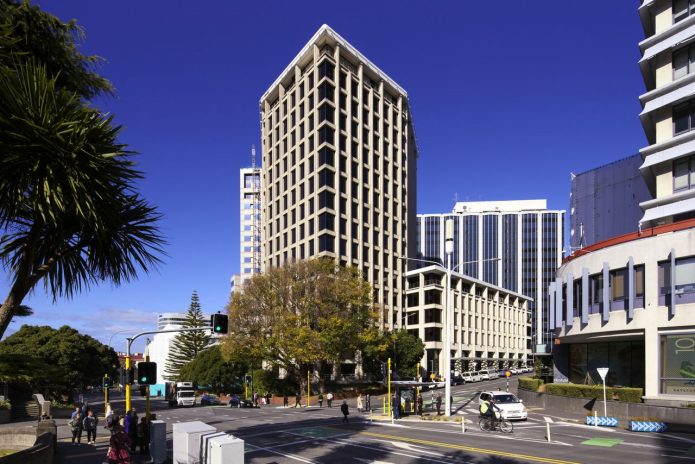




PHOTO: Auckland continues to stand out as one of the weakest markets for property resellers. FILE
New Zealand’s prolonged property market downturn is continuing to hurt homeowners, with thousands of properties now being sold for less than their owners originally paid.
New figures from Cotality show 13.1% of properties resold during the second quarter of 2026 changed hands at a gross loss – the highest proportion recorded since 2012.
The situation is considerably worse in some of the country’s largest housing markets.
One in Five Auckland Sellers Are Taking a Loss
Auckland continues to stand out as one of the weakest markets for property resellers.
According to Cotality’s latest Pain & Gain report:
- 20.9% of Auckland resales were made at a loss
- 18.4% of Wellington resales were made at a loss
- 13.1% of resales nationally were made at a loss
That means roughly one in every five Auckland properties resold during the quarter fetched less than its owner originally paid.
Importantly, these figures measure the difference between purchase and resale prices and do not include selling expenses such as real estate agent commissions and other transaction costs.
The true financial impact for some vendors could therefore be considerably larger.
Sellers Losing a Median $60,000
For homeowners who did sell below their original purchase price, the median gross loss was $60,000.
Collectively, loss-making transactions during the quarter resulted in approximately $159 million in losses.
There is still substantial money being made by many longer-term property owners.
The median gross profit among profitable resales was $280,000.
However, that has fallen significantly from the previous market peak, when the median gross resale profit reached around $440,000.
How Long You Have Owned the Property Matters
One of the clearest differences between profitable and loss-making sellers is how long they have owned their property.
Owners selling for a profit had held their properties for a record median 10.4 years.
Those selling for a loss had owned their properties for a median of only 4.3 years.
That roughly four-year ownership period takes many buyers back to around the beginning of New Zealand’s major housing market correction.
Cotality chief economist Kelvin Davidson suggested some homeowners may also be choosing to hold properties for longer while waiting for market conditions to improve.
Others may simply be finding it harder to achieve the price they want in the current market.
NZ Housing Market Slides Again: Property Values Sink as 2026 ‘Recovery’ Starts to Unravel
Apartment Owners Are Being Hit Particularly Hard
The numbers become even more striking when apartments are separated from other property types.
An extraordinary 45.4% of apartments resold during the quarter changed hands at a loss.
That represents the weakest resale performance for apartments since 2010.
Cotality figures indicate apartment values have declined by approximately 6% over the past 12 months, compared with around 2% for townhouses, while standalone dwelling values have shown relatively little movement.
Apartments can also be more vulnerable during housing downturns because they have historically experienced lower capital growth than some other property types.
That leaves owners who bought relatively recently with less of an equity buffer when prices decline.
Some Regional Markets Tell a Very Different Story
The pain is far from evenly distributed across New Zealand.
While Auckland and Wellington recorded comparatively high proportions of loss-making sales, markets including Timaru and Gore recorded just 1.8% of properties selling below their previous purchase price.
It highlights just how fragmented New Zealand’s housing market has become.
Some regional homeowners who purchased years ago continue to sit on substantial capital gains, while buyers who entered expensive metropolitan markets close to the pandemic-era property peak can face a very different financial position.
Why Haven’t Loss-Making Sales Been Even Higher?
Despite the housing downturn, New Zealand has not experienced the sudden surge in distressed selling seen during the Global Financial Crisis.
Davidson said the increase in loss-making sales this time had been more gradual.
During the GFC, the proportion of properties selling for a loss reportedly increased from virtually zero to around 20% within only a year or two.
The current cycle has taken roughly four or five years to reach around 13%.
Stronger mortgage servicing requirements may have played a role.
Borrowers who might previously have struggled financially may never have qualified for a mortgage under today’s lending tests.
Relatively resilient employment has also allowed many homeowners to continue servicing their mortgages rather than being forced to sell into a weak market.
Is the NZ Housing Market About to Turn Around?
Homeowners hoping for a rapid recovery may need to remain patient.
Economic uncertainty remains, mortgage rates have shown signs of edging higher, and the large number of properties available for sale continues to give buyers considerable negotiating power.
While improved affordability could help prevent another substantial fall in house prices, it does not necessarily mean prices are ready to rise strongly either.
For sellers – particularly those who bought around the top of the previous property cycle – that could mean another challenging period ahead.
And with one in five Auckland resellers already selling below their original purchase price, the latest numbers provide another reminder that property does not always deliver a short-term capital gain.
👉 Is this the reality of the NZ property market for the rest of 2026 – or are we finally getting close to the bottom?
#NZProperty #AucklandProperty #NZRealEstate #HousePrices #PropertyMarket #PropertyNoiseNZ
SOURCE: RNZ