
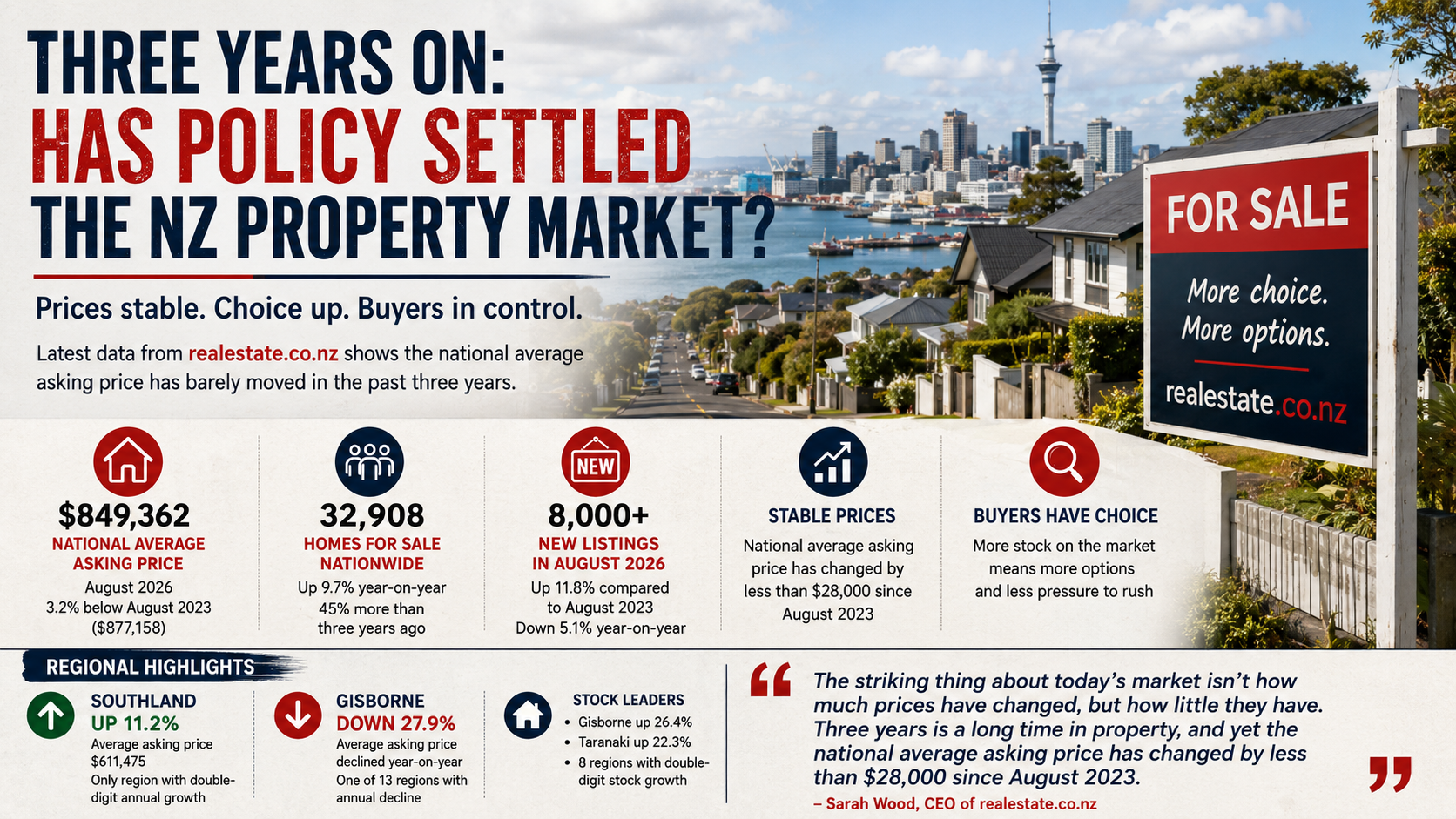
PHOTO: 32,908 Homes Are Competing for Buyers
10,000 more homes for sale, prices still below 2023 levels, and buyers firmly in control. Is this what a “normal” New Zealand property market now looks like?
Three years ago, New Zealanders were preparing to head to the polls after one of the most extraordinary periods the housing market had ever experienced.
House prices had exploded, interest rates had surged, investors had faced sweeping tax changes, lending rules had tightened, and housing policy had become political ammunition.
Fast-forward three years and something rather remarkable has happened.
Almost nothing.
At least, when it comes to national asking prices.
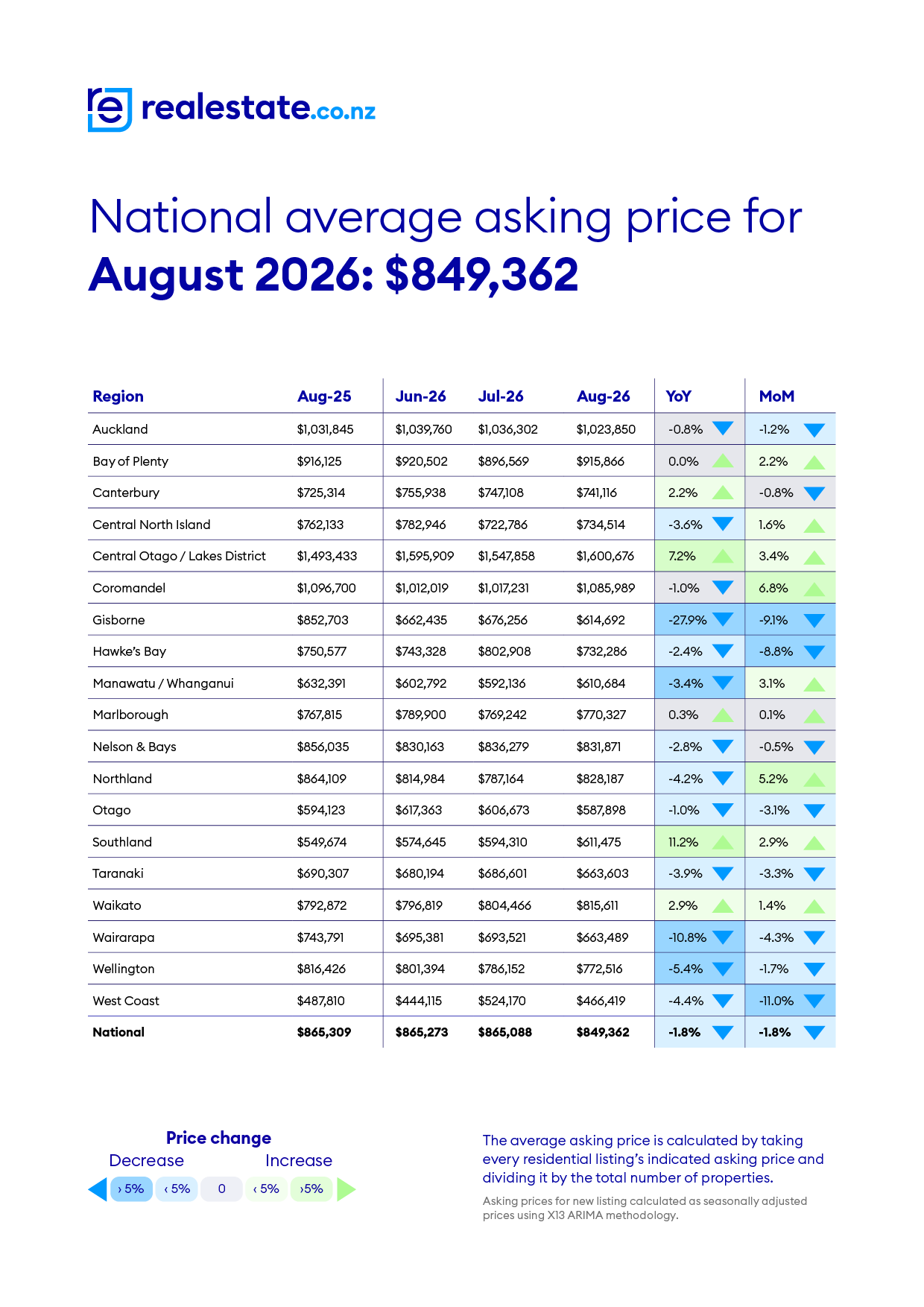
Latest data from realestate.co.nz shows the national average asking price was $849,362 in August 2026.
In August 2023?
$877,158.
That’s a decline of just 3.2% — less than $28,000 — across three years.
But focusing on prices alone misses the much bigger story.
Because while prices have barely moved, the balance of power in New Zealand property has changed dramatically.
The Real Property Crash Wasn’t Prices — It Was Scarcity
Remember when buyers were fighting over listings?
Multi-offers.
Packed open homes.
Deadlines brought forward.
Fear of missing out.
Buyers making decisions after one hurried Saturday inspection because another 15 groups were standing behind them.
That market has largely disappeared.
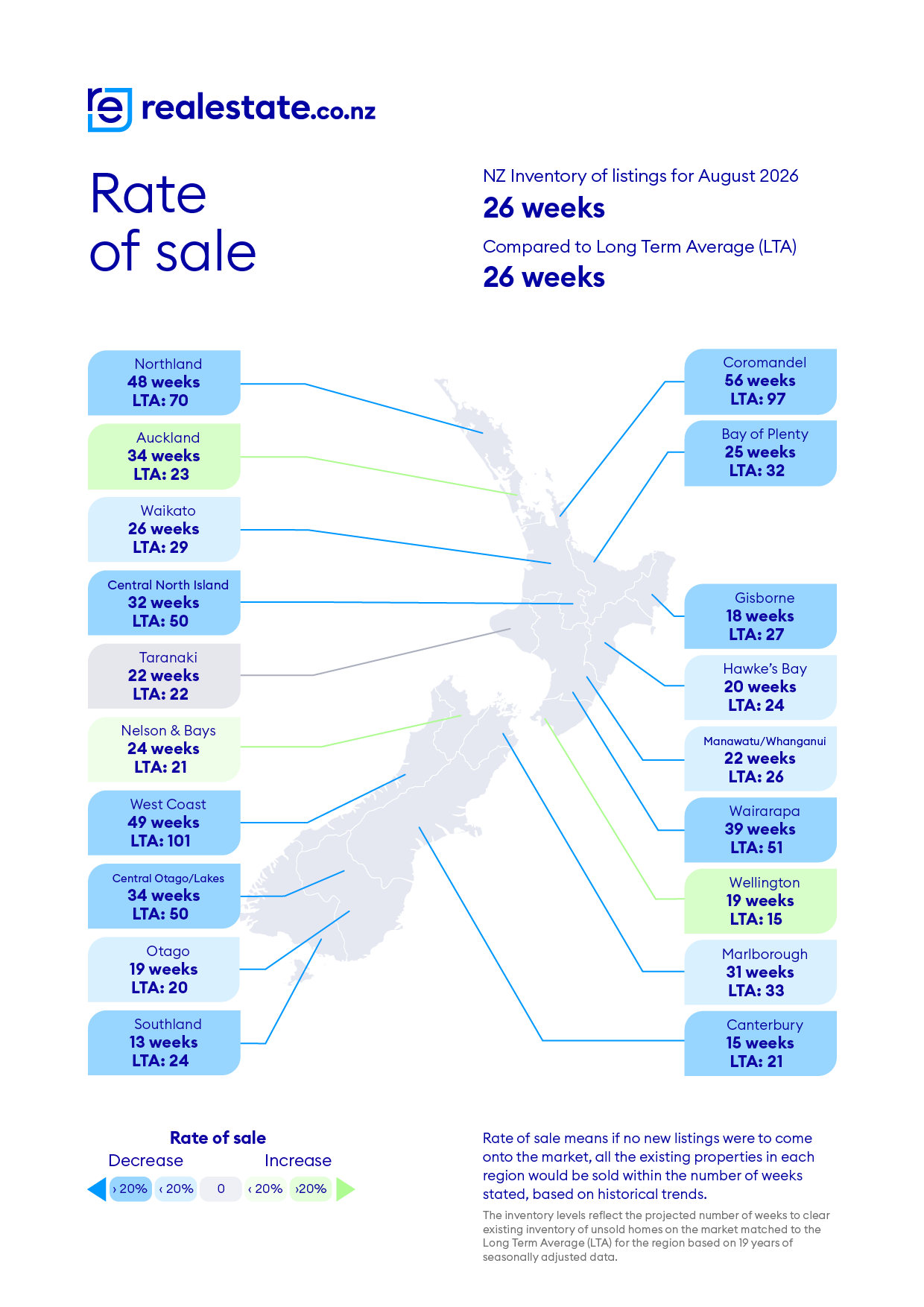
There were 32,908 properties for sale nationally in August 2026 — approximately 45% more than three years ago.
That’s more than 10,000 additional homes competing for buyers’ attention.
And perhaps that’s the statistic that matters most.
New Zealand hasn’t experienced another spectacular house-price crash.
Instead, it has experienced something quieter:
A scarcity crash.
The shortage of properties that once gave vendors enormous leverage has been replaced by choice.
And choice changes everything.
32,908 Homes Are Competing for Buyers
For buyers, today’s market is almost unrecognisable compared with the frenzy earlier this decade.
They can compare.
They can negotiate.
They can walk away.
And, crucially, there is probably another property coming onto the market.
Sarah Wood, CEO of realestate.co.nz, describes the current market as stable, steady and full of choice.
“The striking thing about today’s market isn’t how much prices have changed, but how little they have.”
She’s right.
But Property Noise would argue the more interesting question isn’t why prices haven’t fallen further.
It’s:
How have prices remained this resilient when buyers have 45% more stock to choose from?
That’s arguably the surprise buried inside these numbers.
Has Government Policy Actually Settled the Housing Market?
It’s tempting to draw a straight line between politics and today’s market.
Since 2023, New Zealand property has absorbed changes involving investor taxation, interest deductibility, the bright-line test, lending restrictions, planning rules and housing policy.
Yet housing markets don’t operate in isolation.
Interest rates, employment, migration, construction, household confidence, credit availability and affordability can overwhelm whatever politicians announce from Wellington.
And the regional figures demonstrate exactly that.
There isn’t really one New Zealand housing market anymore.
Southland Up 11%. Gisborne Down 28%. Same Country.
While the national number looks remarkably stable, underneath it there are enormous differences.
Thirteen regions recorded lower average asking prices compared with August last year.
Gisborne recorded a dramatic 27.9% annual decline.
Wairarapa fell 10.8%.
Otago’s average asking price dropped below $600,000 for the first time since October last year, reaching $587,898.
Then there’s Southland.
Its average asking price reached $611,475 — up 11.2% year-on-year.
It was the only region to record double-digit annual growth.
Same OCR.
Same Government.
Same national banking system.
Completely different property markets.
That tells us something important.
Local economics may be becoming more important than national property headlines.
Employment, affordability, migration and the local balance between listings and buyers increasingly determine what a house is worth.
And Vendors Have Another Problem: Spring Is Coming
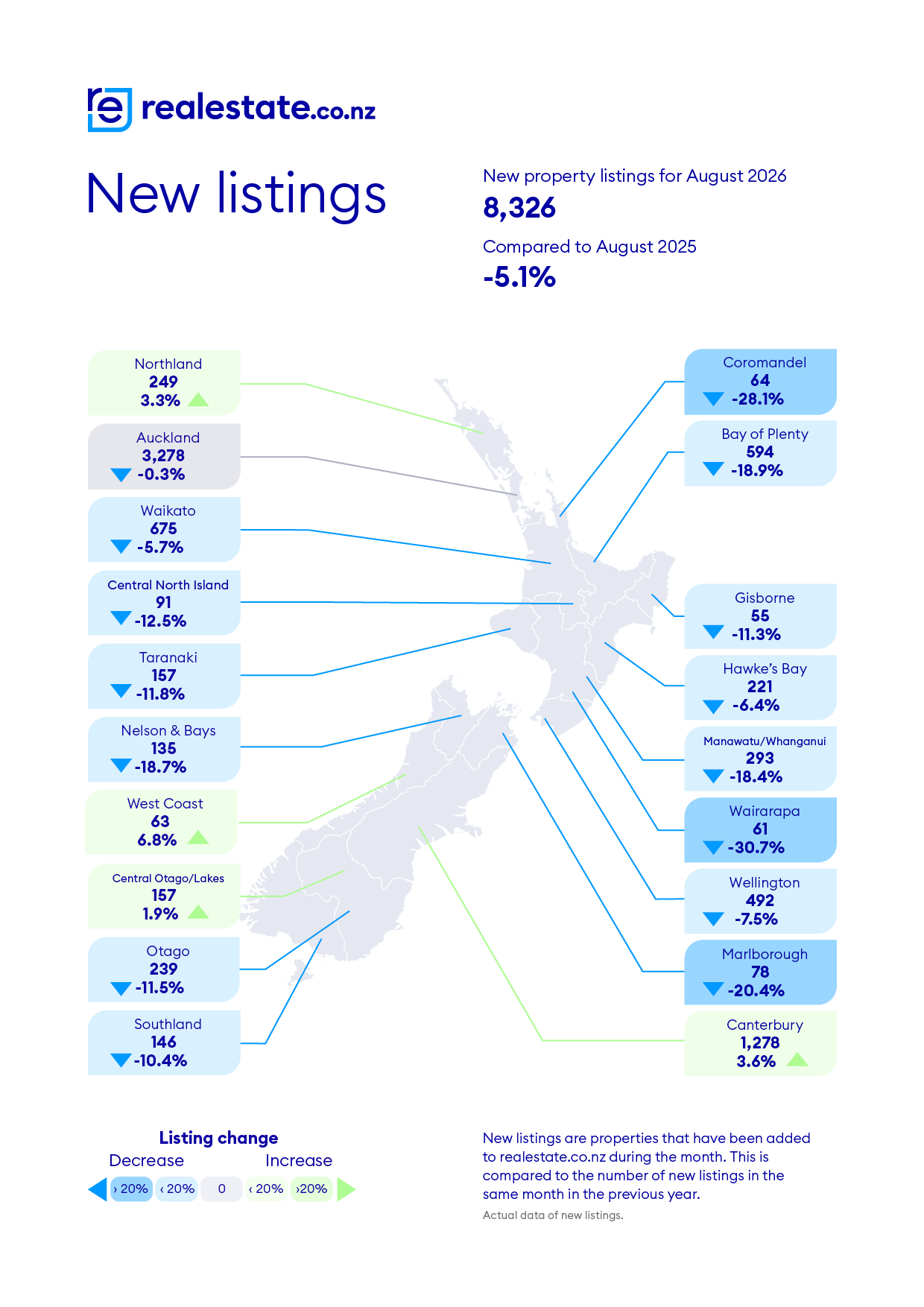
New listings actually fell 5.1% year-on-year in August.
Ordinarily, fewer new listings might start tightening the market.
Except vendors are entering spring with 32,908 properties already sitting on the market.
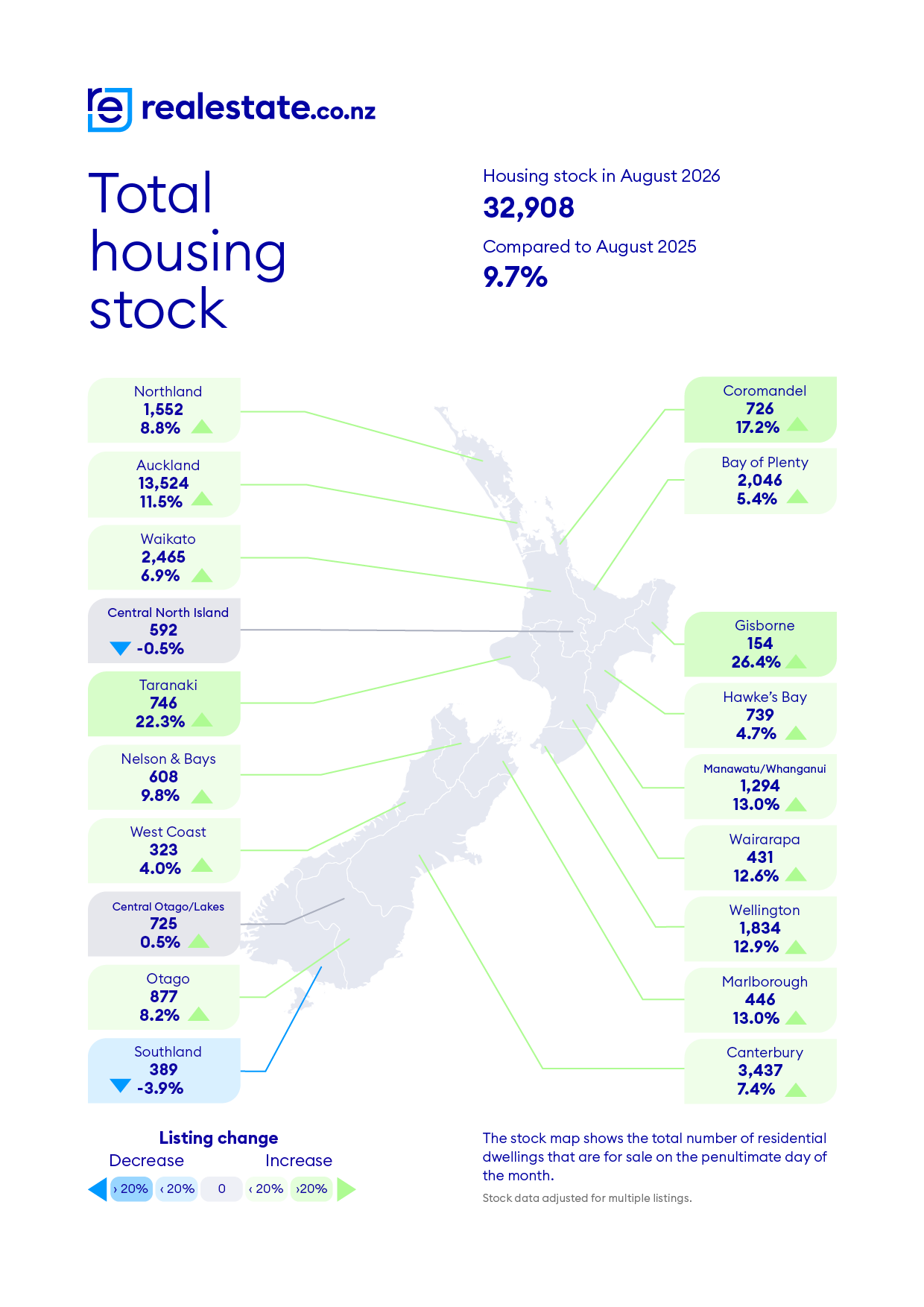
Stock increased 9.7% nationally over the past year, with eight regions posting double-digit increases.
Gisborne stock jumped 26.4%.
Taranaki increased 22.3%.
Coromandel rose 17.2%.
Marlborough and Manawatū/Whanganui both increased 13.0%, Wellington 12.9%, Wairarapa 12.6% and Auckland 11.5%.
So anyone listing this spring isn’t simply putting their home on the market.
They’re entering a competition.
The $849,000 Question
The New Zealand property conversation has spent years asking:
When will house prices boom again?
Maybe we’re asking the wrong question.
Perhaps the extraordinary housing boom of the pandemic years distorted our idea of what a property market is supposed to look like.
A market where prices rise 15%, 20% or 30% annually isn’t normal.
Neither is one where buyers desperately compete for almost every decent listing.
Maybe $849,362 versus $877,158 three years earlier isn’t evidence that the market is stuck.
Maybe it’s evidence that the market has finally stopped behaving like a casino.
There are more homes.
Buyers have more power.
Vendors have to compete.
Regional differences matter again.
And property selection, presentation and pricing matter far more than simply putting a house online and waiting for offers.
The Next Property Boom May Need Something It Doesn’t Currently Have
This is where the 45% increase in available stock becomes critical.
For another genuine nationwide property boom to develop, demand would have to grow strongly enough to absorb a substantially larger pool of homes.
Otherwise, every time prices begin pushing higher, buyers still have something they didn’t have during the frenzy:
Alternatives.
That doesn’t mean prices can’t rise.
It doesn’t mean some regions won’t boom.
And it certainly doesn’t mean desirable houses won’t attract competition.
But it does suggest the conditions that created the extraordinary seller’s markets of the past may be much harder to recreate.
After three years, New Zealand property may finally have discovered something it hasn’t been particularly good at.
Boring.
And after everything homeowners, buyers, investors and agents have experienced since 2020, boring might actually be the biggest property story of all.
Property Noise Take
House prices haven’t changed much since the 2023 election. The market has.
The real transformation isn’t the 3.2% decline in asking prices.
It’s the 45% increase in homes available for sale.
The question heading into spring isn’t simply whether prices will rise.
It’s whether New Zealand’s buyers can absorb all that choice.
What do you think — has the NZ property market finally found its “new normal”, or is three years of flat prices simply the calm before the next move?