






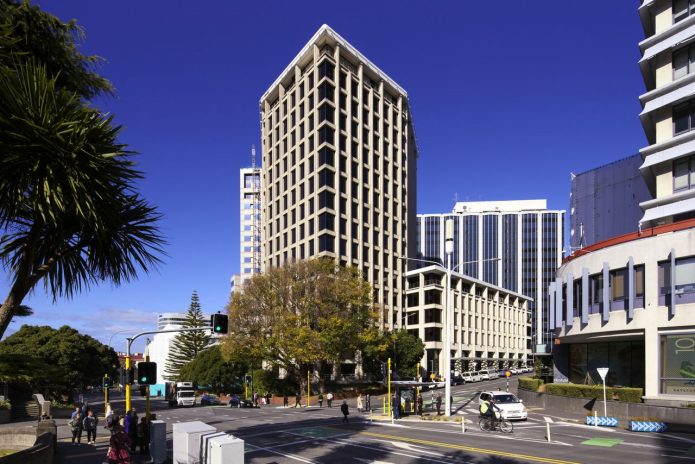




PHOTO: The sheer amount of property available is becoming one of the defining features of the 2026 housing market. kaboompics.com
New Zealand’s property market has entered spring with something buyers haven’t enjoyed for a very long time:
Choice. Lots of it.
The number of residential properties sitting on the market reached 33,252 at the end of July, according to figures from realestate.co.nz.
That’s 9.3% higher than the same time last year and represents the highest level of housing stock recorded for the month of July since 2014.
For homeowners hoping the property market was about to roar back into life, that’s probably not the news they wanted to hear.
For buyers?
It could be one of the best negotiating environments New Zealand has seen in years.
33,252 Homes Are Competing for Buyers
The sheer amount of property available is becoming one of the defining features of the 2026 housing market.
At the end of July there were 33,252 residential properties listed for sale nationwide.
Interestingly, this isn’t simply the result of a massive flood of new properties suddenly hitting the market.
There were 7,698 new listings during July, compared with 7,737 in July 2025.
In other words, the number of new properties coming onto the market was almost unchanged.
The problem is that existing properties aren’t necessarily disappearing quickly enough.
And when properties remain unsold while more homes continue to be listed, inventory builds.
Sellers Are Competing Against Each Other
This changes the psychology of the property market.
During the extraordinary housing boom of 2020 and 2021, buyers frequently competed against each other.
Multiple offers.
Packed open homes.
Pre-auction offers.
Properties selling within days.
Fear of missing out.
In today’s market, the pressure is increasingly moving in the opposite direction.
Sellers are competing for buyers.
A purchaser who doesn’t like the price of one property can simply move on to another.
And another.
And another.
That gives buyers something they haven’t always had in New Zealand property:
time and negotiating power.
Still Holding Out for a 2021 Price? That Could Be a Problem
One of the biggest challenges facing vendors may be expectations.
Some homeowners still remember what neighbouring properties sold for during the extraordinary pandemic-era boom.
But 2026 is a very different market.
Realestate.co.nz has warned that vendors need to price properties for the market they’re selling in today rather than holding out for the prices achieved in 2021.
That’s becoming increasingly important when buyers have tens of thousands of properties to choose from.
A property priced even slightly above comparable homes can simply be ignored.
The listing sits.
Another open home passes.
Then another.
Eventually the vendor may have to reduce expectations anyway.
The Latest REINZ Numbers Add to the Story
The latest July market figures reinforce just how subdued conditions remain.
The national median sale price was approximately $760,000 in July, down 0.7% compared with July last year.
Sales volumes were also down.
Around 6,090 properties changed hands during July – 10% fewer than in July 2025.
So New Zealand isn’t simply dealing with elevated housing stock.
There are also fewer transactions taking place.
That’s a difficult combination for vendors who need to sell.
The NZ Property Recovery Hasn’t Arrived Yet
For much of the past couple of years, the property industry has been waiting for the recovery.
Mortgage rates fell from their highs.
Affordability improved.
House prices corrected substantially.
Buyers were expected to return.
But the strong rebound many predicted simply hasn’t materialised.
Property values have recently started weakening again in several major markets, while sales remain subdued and stock continues to accumulate.
That’s not necessarily a property crash.
But it’s certainly not a boom.
Instead, New Zealand appears to be stuck in a prolonged period where buyers remain cautious and sellers increasingly need to meet the market.
Auckland Sellers Could Face Even More Pressure
The situation is particularly interesting in Auckland.
New Zealand’s largest property market has already experienced significant falls from its pandemic-era peak, and recent property value data has continued to show weakness.
Auckland also has large numbers of apartments, townhouses and relatively recent developments competing with established houses for buyers.
For a purchaser with finance approved and no property to sell first, that can create considerable bargaining power.
For a vendor who needs to sell quickly?
The equation looks very different.
First-Home Buyers May Be the Biggest Winners
There is another side to this market.
For years, first-home buyers complained they were competing against investors, developers and other desperate purchasers.
Today they can potentially:
- Attend several open homes before deciding.
- Compare similar properties.
- Put conditions into offers.
- Negotiate on price.
- Request building reports.
- Walk away if the deal doesn’t stack up.
That’s a dramatically different environment from the frenzy experienced during the pandemic property boom.
For buyers with secure employment, sufficient deposits and finance approval, 2026 could prove to be one of the more favourable buying environments of the past decade.
Real Estate Agents Have a Different Job Now
The market also presents a challenge for real estate agents.
Winning the listing is only the beginning.
Agents increasingly need to have difficult conversations with vendors about price expectations.
The temptation for a seller may be to choose the agent offering the highest appraisal.
But in a market with more than 33,000 properties available, an unrealistic asking price can leave a property sitting unsold while correctly priced competitors move.
Agents who can get vendors to meet the market may ultimately have the advantage.
Spring Could Be the Real Test
And here’s where things become particularly interesting.
We’re approaching the traditional spring selling season.
Spring normally brings another wave of properties onto the market.
If buyer demand rises strongly at the same time, some of today’s excess stock could begin to clear.
But what happens if it doesn’t?
If another large influx of listings arrives while buyers remain cautious, vendors could find themselves competing against an even larger pool of properties.
That could put further pressure on asking prices and increase buyers’ negotiating power.
The Power Has Shifted
For years, New Zealand property sellers largely dictated the terms.
Today, the balance looks very different.
33,252 properties for sale.
The highest July stock level in 12 years.
Stock up 9.3% in a year.
Sales volumes down 10%.
Those numbers tell their own story.
New Zealand may not be experiencing another dramatic property crash.
But right now, there is little doubt about one thing:
Buyers have choices.
And when buyers have choices, sellers have competition.