
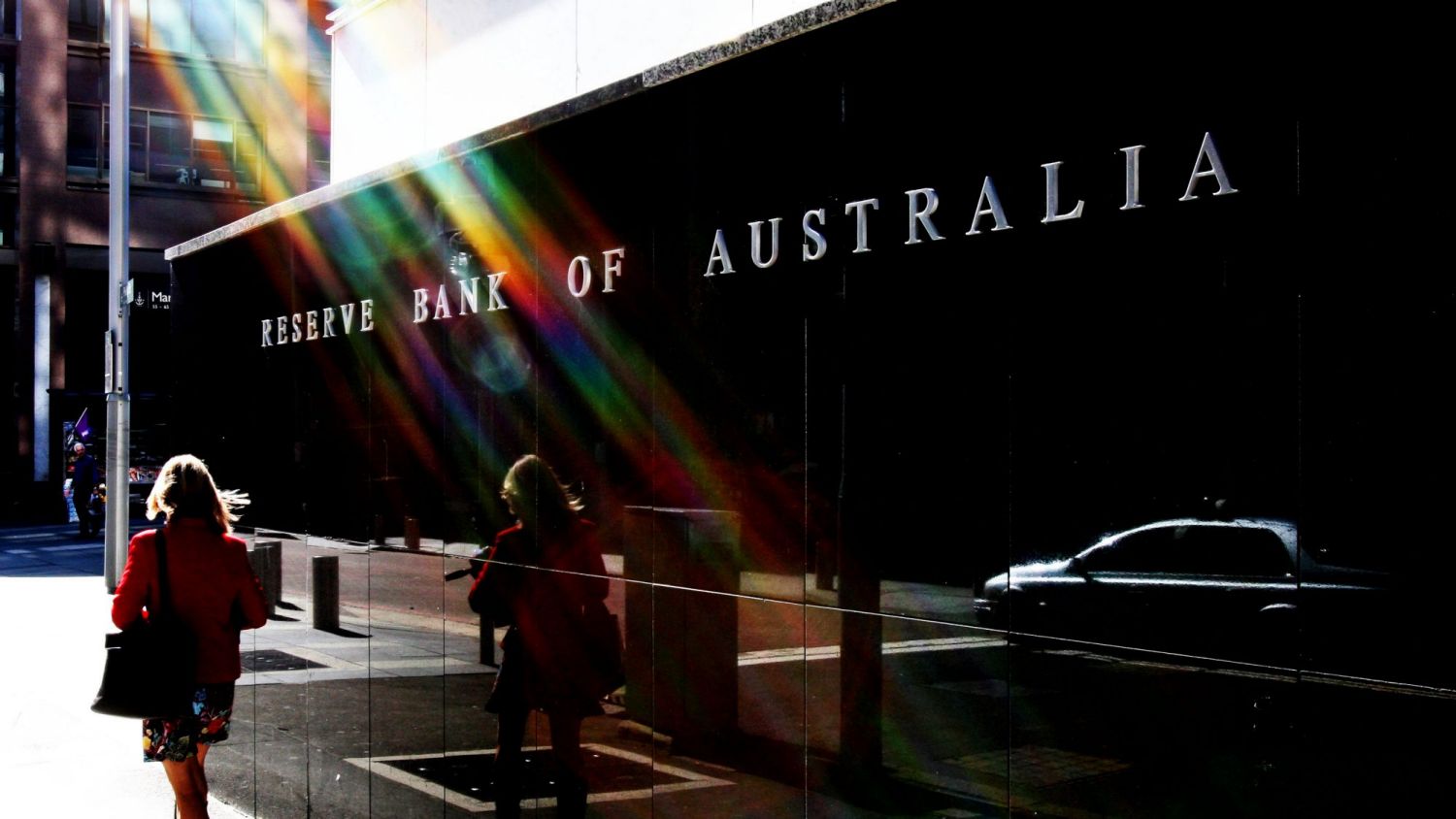
PHOTO: An RBA rate cut doesn’t suddenly create thousands of additional homes.
Australian property buyers waiting for the Reserve Bank to ride to the rescue could be making an expensive mistake. The real opportunity may be appearing before rates fall — not after.
It’s one of the biggest questions hanging over Australia’s housing market:
Should I buy now, or wait for the next RBA interest rate cut?
On the surface, waiting makes perfect sense. Lower mortgage rates mean cheaper repayments and potentially greater borrowing capacity.
But there’s a catch.
If thousands of other buyers are thinking exactly the same thing, the financial benefit of a lower mortgage rate could quickly be swallowed by higher property prices and fiercer competition.
Welcome to what could become Australia’s RBA rate-cut trap.
Unlock 1.2 Million+ Aussie Business Contacts — No Subscriptions, No Limits
Buyers finally have something they’ve wanted for years
For much of Australia’s recent property boom, buyers have complained about the same things: soaring prices, packed open homes, multiple offers and properties selling before they could make a decision.
Now conditions have cooled in parts of the market.
Buyer confidence has softened and investor lending has reportedly fallen 8.6%, helping take some heat out of competition.
For buyers with finance approved and the ability to purchase, that’s not necessarily bad news.
In fact, it could be exactly the environment they’ve been waiting for.
Less competition can mean more negotiating power.
Instead of asking, “How much above the asking price do I need to offer?”, buyers may finally be able to ask:
“How much will the vendor come down?”
That’s a significant change in psychology.
What happens when the RBA cuts rates?
This is where things get interesting.
An RBA rate cut doesn’t suddenly create thousands of additional homes.
What it can do is create thousands of additional buyers.
Lower rates can improve borrowing capacity, reduce mortgage repayments and — perhaps most importantly — change sentiment.
A buyer who is nervous today may suddenly feel confident.
Someone sitting on the sidelines may call their mortgage broker.
Investors may start running the numbers again.
Auction clearance rates can strengthen.
And buyers who have spent months waiting can all return at roughly the same time.
The result?
More money potentially chasing the same houses.
Saving on interest but paying more for the house
This is the calculation buyers often overlook.
Imagine someone delays buying because they’re hoping mortgage rates will fall.
The RBA eventually cuts.
Great.
Their borrowing position improves.
But what happens if the property they could have bought for $800,000 is suddenly worth $840,000 or $850,000 because buyer confidence has returned?
The buyer may have secured a cheaper interest rate — but paid tens of thousands of dollars more for the property.
And unlike an interest rate, which can move up and down throughout a 25 or 30-year mortgage, the purchase price is locked in on settlement day.
That’s why trying to perfectly time both interest rates and property prices can be so difficult.
The great Australian property contradiction
Australia’s housing market repeatedly produces a strange contradiction.
When prices are booming, buyers say:
“I wish I’d bought before everyone else.”
When conditions cool, they say:
“I’ll wait until things improve.”
But once things visibly improve, everyone else can see it too.
The best buying conditions don’t necessarily feel like the best buying conditions at the time.
Periods of uncertainty are uncomfortable precisely because buyers don’t know what happens next.
Yet that uncertainty can also create negotiating opportunities that disappear once confidence returns.
The first rate cut could change the conversation overnight
The biggest risk for those waiting isn’t necessarily the size of the next RBA move.
It’s sentiment.
Property markets can respond to expectations long before the full financial impact of lower rates flows through household budgets.
Headlines announcing falling rates could be enough to bring hesitant buyers back.
Suddenly an open home with six groups has 20.
A property attracting one serious offer attracts four.
A vendor prepared to negotiate becomes confident enough to hold firm.
And the buyer who waited for certainty discovers that certainty has a price.
But buying now isn’t automatically the answer
None of this means Australians should rush out and buy a property simply because rates might fall.
Affordability still matters.
So does employment security, deposit size, mortgage serviceability, property quality and whether the buyer intends to hold the property long term.
And there is no guarantee that every Australian housing market will rise following future RBA cuts.
Australia isn’t one property market.
Sydney, Melbourne, Brisbane, Perth, Adelaide and regional Australia can behave very differently — sometimes at exactly the same time.
The danger is making a major financial decision based solely on predicting the Reserve Bank.
The question buyers should be asking
Instead of:
“When will the RBA cut rates?”
Perhaps the better question is:
“Can I comfortably afford the right property at today’s price?”
Because if the answer is yes, today’s quieter market may offer something a future rate cut cannot guarantee:
less competition and greater negotiating power.
Waiting for cheaper money sounds sensible.
But if cheaper money brings Australia’s buyers rushing back through the door, the property itself may no longer be cheaper.
And that could be the real RBA rate-cut trap.
Property Noise Take
The obsession with predicting the next RBA decision risks distracting buyers from what is happening in front of them.
Interest rates are temporary. The price you pay for the property isn’t.
Nobody knows exactly what the Reserve Bank will do next, nor how individual housing markets will respond.
But history repeatedly shows that confidence can return to property markets remarkably quickly.
The uncomfortable irony for buyers is that the moment everyone agrees it’s a “good time to buy” can also be the moment it becomes much harder to get a bargain