










PHOTO: PEXELS
Something has shifted in how New Zealand buyers approach off-the-plan projects.
It’s not that they’ve disappeared. They haven’t. But the automatic enthusiasm that characterised the 2020–2021 market — where projects filled up before the renders were finished — is gone. Buyers are slower. They’re comparing more. They’re asking things that weren’t being asked two or three years ago.
Developers who built their sales process around momentum are finding it harder. The ones adapting are the ones who’ve recognised that the job now is less about generating excitement and more about reducing doubt.
What Changed
In a rising market, the pitch sells itself partly. Buyers believe prices will be higher at settlement than they are now, which makes the off-the-plan purchase feel lower-risk than it actually is. The fear of missing out does a lot of the work.
That dynamic has weakened in New Zealand’s 2026 market. Property Noise has covered cautious buyer sentiment, rising listings, and a market where many participants are sitting on the sidelines rather than moving. In this environment, a buyer evaluating an unbuilt project has to convince themselves on the merits of the project alone. There’s no rising tide to carry the decision.
So they ask questions. They want to understand what they’re actually buying. And if the sales material doesn’t answer their questions, they move on.
The Problem With Most Off-the-Plan Sales Material
Walk through any off-the-plan brochure and you’ll find versions of the same phrases. “Premium lifestyle.” “Architecturally designed.” “Resort-style amenities.” “Future-focused living.”
None of these answer anything.
A buyer looking at an apartment in a project they can’t visit wants to understand the site — what’s around it, how dense the area is, where the access is. They want to see the building scale in context, not just the hero render taken from the most flattering angle at the most flattering time of day. They want to understand how their specific unit connects to the amenity areas and whether those amenity areas are genuinely usable.
In a more cautious market, developers cannot rely on glossy promises alone. Buyers increasingly want clearer site context, floor plans, amenity information, and property marketing visuals that help them understand what is actually being offered before construction is complete. This isn’t a call for more marketing spend. It’s a call for material that answers the questions driving hesitation, rather than material that amplifies the pitch.
Floor Plans Only Get You Partway
Floor plans are necessary. They’re not sufficient.
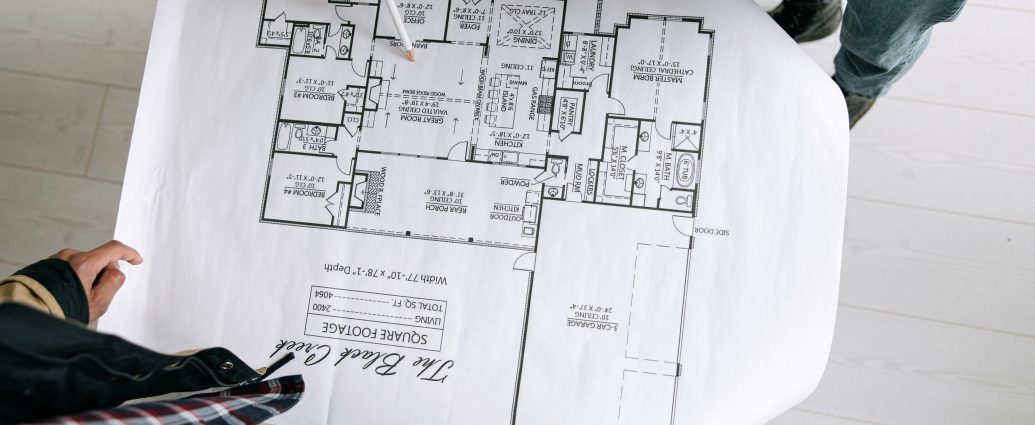
A buyer can see from a floor plan that the apartment is 82 square metres. What they can’t see is whether those 82 square metres feel spacious or cramped. How the living area connects to the outdoor terrace. How natural light enters at different times of day. Whether the master bedroom has adequate separation from the kitchen.
These are the things separating a buyer who feels comfortable proceeding from one who keeps asking for more information. They’re also the things that good project material answers before the buyer has to ask.
Show the Context, Not Just the Building
Developers consistently underestimate how much buyers care about the immediate environment. Not the suburb generally — the specific physical context. What’s across the road. How dense the surroundings are. Whether the project feels open or hemmed in on all sides.
A development in a master-planned community in Warkworth or a mixed-use corridor in Auckland’s northwest needs to help buyers understand what it will actually be like to live there. Is there green space? What are the streets like? Is the parking arrangement practical or will it create daily friction? These questions have real answers, and the projects that provide them do better than the ones that leave buyers to wonder.
In a cautious market, buyers are more likely to visit the site before committing. If the project material hasn’t helped them build an accurate picture of what they’ll find, that visit can produce doubt that wasn’t there before.
Listing Amenities Isn’t Enough
Gyms, rooftop terraces, landscaped courtyards, co-working zones, resident lounges. The amenity list in an off-the-plan brochure reads like a hotel checklist and, in a market where most projects offer something similar, it stops being a differentiator.
What buyers want to know is whether the amenities actually deliver what’s implied. How big is the courtyard — is it genuinely generous or is it a passageway with some planting? Is the gym functional or is it a room with three pieces of equipment? Is the co-working space genuinely quiet?
These questions come from buyers who have either been disappointed before or who know people who have been. A development that answers them clearly, before they’re asked, comes across as more credible than one that treats the amenity list as self-evidently impressive.
Better Material Attracts Better Enquiries
There’s a practical benefit to clearer project communication that doesn’t get talked about enough.
When potential buyers can understand a project from the available material, the enquiries that come through are more self-qualified. The buyers who reach out have already decided the project is worth pursuing — they understand what they’re asking about. Sales conversations are more specific and more efficient.
Vague material generates vague interest. People enquire without really knowing if it’s right for them, the questions are repetitive, and the conversion rate suffers. In a market where sales cycles are longer, filtering for serious buyers earlier has real value.
The Comparison Is Getting Harder
The competitive set for off-the-plan in 2026 isn’t just other new developments. It’s the established apartment that’s available now. The townhouse that can be inspected. The house that doesn’t require waiting two years for settlement while the market does whatever it does.
Buyers actively choosing between these options are going to apply more scrutiny to the off-the-plan option because it asks more of them — more trust, more patience, more tolerance for pre-construction uncertainty. The developers who earn that commitment are the ones who make the uncertainty feel manageable. Not by minimising it, but by giving buyers enough genuine information to understand what they’re agreeing to.
Off-the-plan buyers haven’t disappeared. But they’ve become more selective. The projects that hold their attention are the ones that treat clarity