
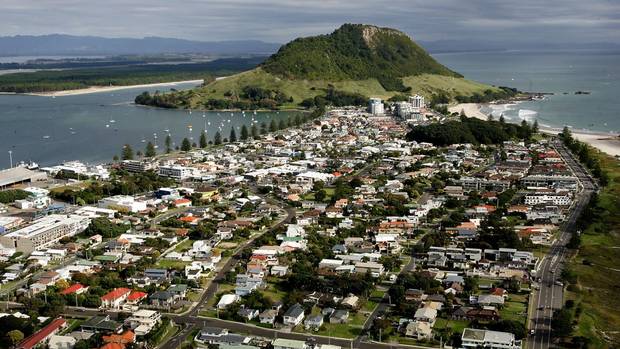
PHOTO: 🚨 The Great New Zealand Housing Divide: Where Homes Are Still Affordable And Where Buying Is Nearly Impossible. FILE
New Zealand’s housing affordability has improved to its best level in nearly a decade — but the reality across the country tells a very different story depending on where you live.
Fresh data shows a widening divide between regions where houses remain attainable and those where property ownership has become almost impossible for the average household.
While some areas are approaching normal affordability levels, others continue to operate in a completely different economic universe.
📊 Housing Affordability Improves — But Only Slightly
New figures show that the national median house value now sits at 7.2 times the median household income.
That represents a noticeable improvement compared with the peak housing boom years, when prices surged dramatically.
However, the number still sits above the long-term affordability average of 6.8, highlighting that housing remains expensive by historical standards.
Several factors have helped ease pressure on buyers:
📉 House prices have fallen about 18% from their peak
📈 Household incomes have increased
📉 Interest rates have declined over the past two years
These combined changes have eased the financial pressure on borrowers, particularly when it comes to mortgage repayments as a percentage of income.
🏙️ The Most Unaffordable Cities in New Zealand
Despite recent improvements, some major centres remain extremely expensive relative to incomes.
The least affordable major cities include:
📍 Tauranga – price-to-income ratio of 8.5
📍 Auckland – ratio of 7.5
📍 Wellington – ratio of 6.4
Interestingly, while Auckland is still expensive, affordability has improved significantly compared with the boom years.
Mortgage repayments relative to income are now below the city’s historical average, suggesting the market has corrected more than many expected.
🏔️ Regions Where Housing Is Almost Impossible
Some parts of New Zealand sit in an entirely different category of housing affordability.
The worst examples include:
🔥 Queenstown Lakes – price-to-income ratio of 16.1
🔥 Thames-Coromandel – ratio of 14.5
🔥 Kaikōura – ratio of 10.6
These regions have become highly desirable lifestyle and tourism destinations.
As a result, local incomes often have little relationship to house prices, with many buyers arriving with significant equity from other parts of the country.
Queenstown in particular operates almost like its own international market.
💰 The Most Affordable Places to Buy a House
At the other end of the spectrum are regions where housing remains relatively attainable.
The most affordable areas include:
✅ Clutha District – price-to-income ratio of 4.6
✅ Grey District – ratio of 4.6
In these regions, house prices are far more closely aligned with local wages.
For first-home buyers willing to move away from major cities, these locations represent some of the last remaining entry points into the property market.
🏦 Mortgage Pressure Finally Easing
Another major improvement has come from falling interest rates.
Mortgage repayments now account for about 42% of household income, which is close to the long-term average.
During the housing boom of 2021 and 2022, this figure climbed dramatically, putting enormous pressure on new borrowers.
Today, the financial burden has eased enough that many potential buyers may feel they can re-enter the market.
It is not cheap — but it is no longer as restrictive as it once was.
⏳ Saving a Deposit Still Takes Nearly a Decade
Despite improvements in affordability, saving a deposit remains one of the biggest barriers to home ownership.
Across New Zealand it now takes about:
💰 9.6 years to save a deposit
That is lower than the peak of 13.4 years, but still higher than the long-term average of nine years.
In major cities:
🏙️ Auckland: roughly 10 years
🏙️ Wellington: about 8.5 years
While progress has been made, the path to home ownership remains slow for many young families.
🏘️ Renters Still Feeling the Pressure
For renters, the situation has improved slightly but remains difficult.
Nationwide rents now consume about 27.9% of household income, which is still above historical averages.
For many households, this ongoing rental pressure makes it harder to save for a home deposit.
In other words, even though buying a home is becoming more achievable, many renters are still struggling to reach that first step.
📉 No New Property Boom Expected
Despite the improving affordability figures, economists are not predicting another explosive housing boom.
Instead, the expectation is for a period of slow and steady growth, where house prices rise modestly while incomes gradually catch up.
Debt-to-income lending rules are also likely to keep prices tied more closely to household earnings.
In the long run, many analysts believe this more stable relationship between incomes and house prices could be healthier for the housing market.
🧭 A New Era for New Zealand Housing?
Perhaps the biggest shift in the property market is psychological.
For years, New Zealanders believed house prices would rise forever.
Now, there is a growing acceptance that flat or modest price growth may actually be beneficial.
A stable housing market could help restore balance between wages, rents, and property values.
And for future generations of buyers, that balance may be exactly what New Zealand needs.