
PHOTO: Opes Partners
A Record Number of Kiwis Are Leaving — But Will House Prices Actually Fall?
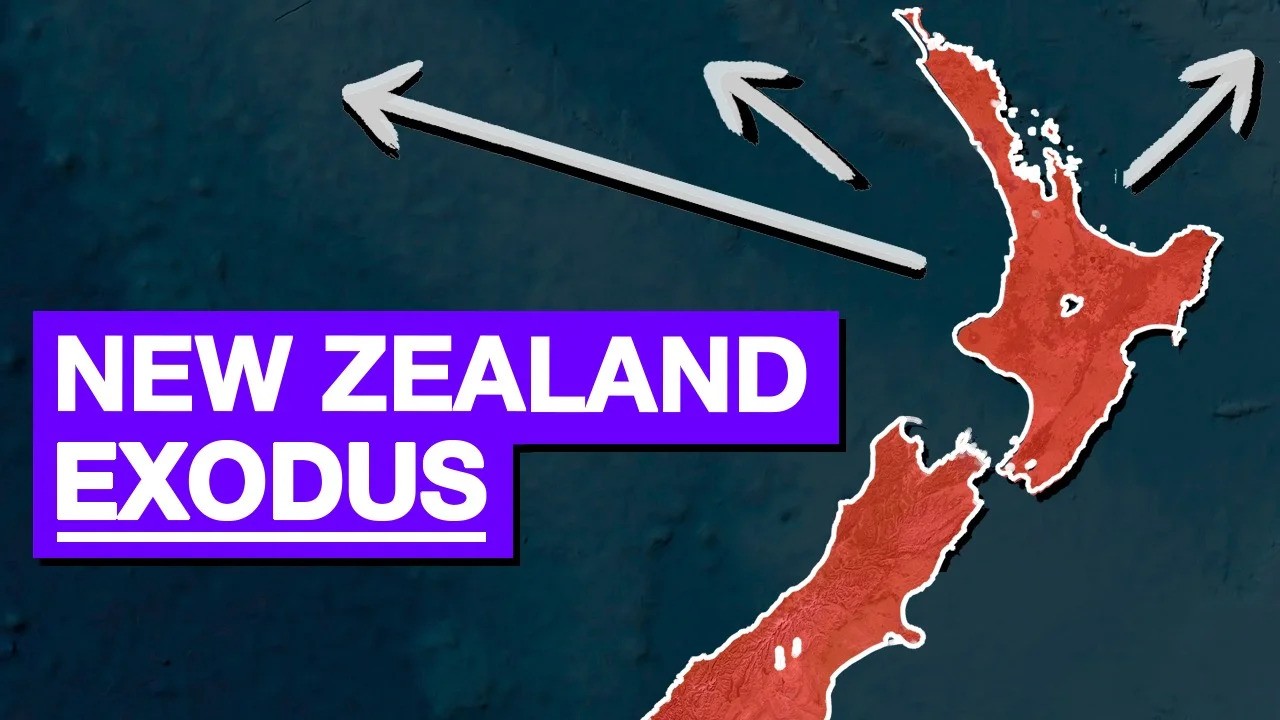
New Zealand is once again facing headlines warning of a mass exodus.
More than 127,000 New Zealand citizens left the country in the past year, triggering fears that a “brain drain” could weaken the economy and the property market.
But the reality may not be as simple as the headlines suggest.
Despite the dramatic departure numbers, overall migration remains strongly positive — meaning more people are still arriving in New Zealand than leaving.
That key detail could change how the housing market responds.
“Kiwis Are Leaving in Droves”: The Hidden Exodus That Could Break New Zealand’s Property Market
The Numbers Behind the Kiwi Exodus
The scale of recent departures has certainly caught attention.
With tens of thousands of New Zealanders heading overseas — many to Australia — the narrative of a national exodus has gained momentum.
However, migration statistics tell a more nuanced story.
While 127,000 people left, roughly 155,000 migrants arrived in New Zealand during the same period.
That means the country still experienced positive net migration, adding population rather than shrinking it.
And population growth remains one of the strongest drivers of housing demand.
Why the Numbers Look Worse Than They Are
Part of the reason the migration figures appear so alarming is the unusual impact of the Covid-19 pandemic.
During the pandemic years, international travel restrictions created a backlog of people who were unable to leave or move countries.
When borders reopened, that “dam” effectively burst.
Many people who had postponed travel or relocation during the pandemic years suddenly made their moves all at once.
The result was a spike in both departures and arrivals.
What Happened Last Time New Zealand Faced a Brain Drain
New Zealand has experienced similar migration waves before.
In the early 2010s, the country saw a large number of citizens leave for better opportunities overseas, particularly to Australia.
At the time, many analysts predicted the departures would weaken the housing market.
But the opposite happened.
Over the following years, property prices across many parts of the country rose significantly.
Several factors helped support the housing market despite the migration outflow:
Continued immigration
Limited housing supply
Strong investor demand
Population growth in major cities
This historical pattern suggests that migration alone does not determine house price trends.
Why Population Growth Still Matters
Housing demand ultimately comes down to how many people need somewhere to live.
Even if large numbers of citizens leave, the market can remain stable — or even grow — if immigration offsets those departures.
In fact, migrants often become renters first, which can increase pressure on rental markets and eventually support property values.
That is why migration flows are often viewed by economists as a key driver of housing demand.
The Psychology Behind the “Scary Headlines”
Human psychology also plays a role in how these stories are interpreted.
People tend to focus more strongly on negative news — particularly when large numbers are involved.
Headlines about tens of thousands of people leaving the country naturally grab attention.
But without context, those figures can create a misleading impression about the overall population trend.
In reality, the housing market responds to net migration, not just departures alone.
What It Means for the Future of the Property Market
New Zealand’s housing market continues to be influenced by several major factors:
Interest rates and borrowing costs
Housing supply shortages
Population growth
Economic confidence
Migration trends are just one piece of the puzzle.
While the departure of large numbers of New Zealanders may raise concerns about the economy, strong immigration levels mean overall housing demand could remain relatively stable.
The Bigger Picture for Property Prices
The idea that house prices will collapse simply because people leave the country is often overstated.
History suggests the relationship between migration and property prices is more complex.
Even during previous “brain drain” periods, property values continued to rise as population growth, limited housing supply and investor activity supported the market.
For now, despite the headlines about a Kiwi exodus, the underlying drivers of housing demand in New Zealand remain firmly in place.
And that means the property market may prove far more resilient than many fear.