

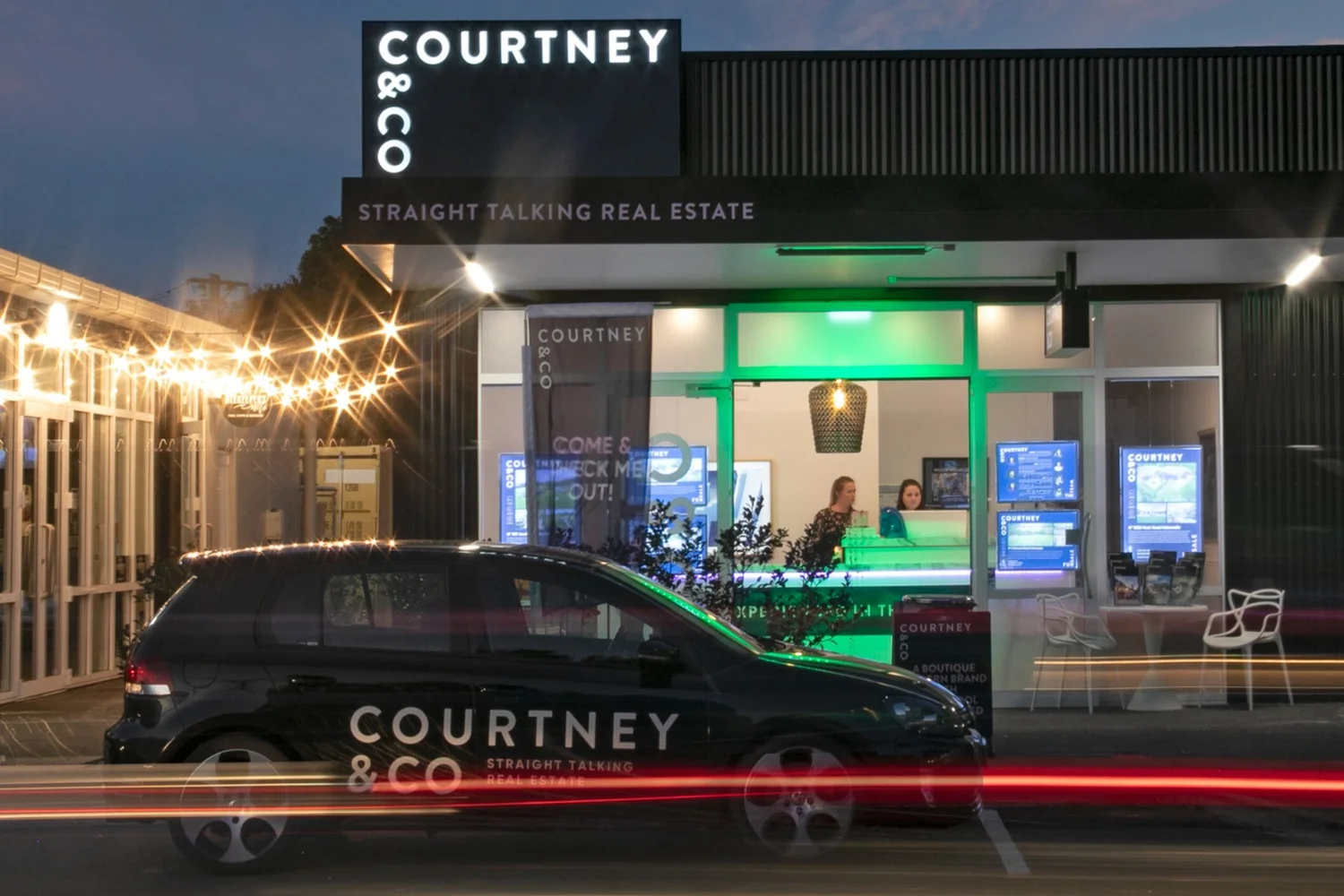
PHOTO: New Zealand’s real estate industry is undergoing a structural shift. PROPERTY NOISE
🏠 A Quiet Revolution Is Reshaping New Zealand Real Estate
New Zealand’s real estate industry is undergoing a structural shift — and it’s happening faster than many of the traditional franchise heavyweights expected.
Across the country, experienced agents are walking away from big-name brands and either:
-
Launching their own independent agencies, or
-
Joining boutique, low-overhead brands with modern operating models
The reason?
👉 Technology has levelled the playing field.
⚙️ The Tech Advantage That Changed Everything
For decades, large franchises like Harcourts, Ray White, Barfoot & Thompson, and Bayleys justified high commission splits by offering:
-
CRM systems
-
Marketing platforms
-
Brand recognition
-
Administrative support
Today?
Those same tools are cheap, cloud-based, and widely available.
From CRMs and digital signing to automated marketing, social media, listing syndication, and compliance tools — small agencies now access the same tech stack as the majors, often at a fraction of the cost.
💸 Commission Splits: The Breaking Point
One of the biggest drivers behind the boutique agency surge is money.
Agents are increasingly questioning:
-
Why give up 30–50% of commission?
-
Why fund national branding they don’t control?
-
Why subsidise underperforming offices?
Boutique and independent models often offer:
-
✔️ Higher commission retention
-
✔️ Transparent fee structures
-
✔️ Lower fixed overheads
-
✔️ More autonomy and brand control
For high-performing agents, the maths is simple.
🌱 The Rise of Boutique & Challenger Brands
A new generation of real estate brands has emerged — leaner, sharper, and often agent-first by design.
🔹 Notable Boutique & Independent Players
-
Arizto
A flat-fee, tech-driven model that strips out traditional commission layers. -
Ownly
A modern ownership-focused approach appealing to digitally savvy sellers. -
&Co Realty Group
A flexible collective model built around agent branding and collaboration. -
Tall Poppy
A long-standing challenger brand focused on lower fees and transparency.
Each of these models offers something different — but they share one thing in common:
👉 They put the agent, not the franchise, at the centre.
🧠 Why Sellers Are Comfortable With Smaller Brands
Importantly, this shift isn’t just agent-driven — vendors are coming along for the ride.
Today’s sellers care more about:
-
The individual agent
-
Their local track record
-
Digital marketing reach
-
Data-driven pricing
Brand size alone no longer guarantees trust.
In many cases, boutique agencies:
-
Deliver better service
-
Offer more tailored marketing
-
Provide greater accountability
The agent is the brand.
🏙 Regional Markets Are Leading the Charge
Smaller agencies are thriving particularly in:
-
Provincial towns
-
Regional centres
-
Lifestyle and coastal markets
In these areas:
-
Personal reputation matters more than national branding
-
Community trust outweighs franchise logos
-
Sellers prefer local specialists
This has accelerated the fragmentation of market share away from the traditional majors.
🔮 What This Means for the Big Franchises
The major brands aren’t disappearing — but they are being forced to adapt.
Expect to see:
-
Revised commission structures
-
More flexible branding arrangements
-
Greater emphasis on agent retention
-
Increased tech investment
The power dynamic has shifted.
Top agents now know they have options.
📉 Fragmentation Is the New Normal
The future of New Zealand real estate is unlikely to be dominated by a handful of mega-brands.
Instead, expect:
-
More independents
-
More boutique collectives
-
More personal branding
-
More diversity in business models
The industry is becoming less centralised, more competitive, and more agent-driven.
🧠 Final Take: This Isn’t a Trend — It’s a Structural Shift
The rise of smaller real estate agencies isn’t a backlash.
It’s a logical response to:
-
Cheaper technology
-
Better data
-
Smarter agents
-
More informed sellers
The question is no longer why agents are leaving big brands —
It’s why anyone is surprised.