
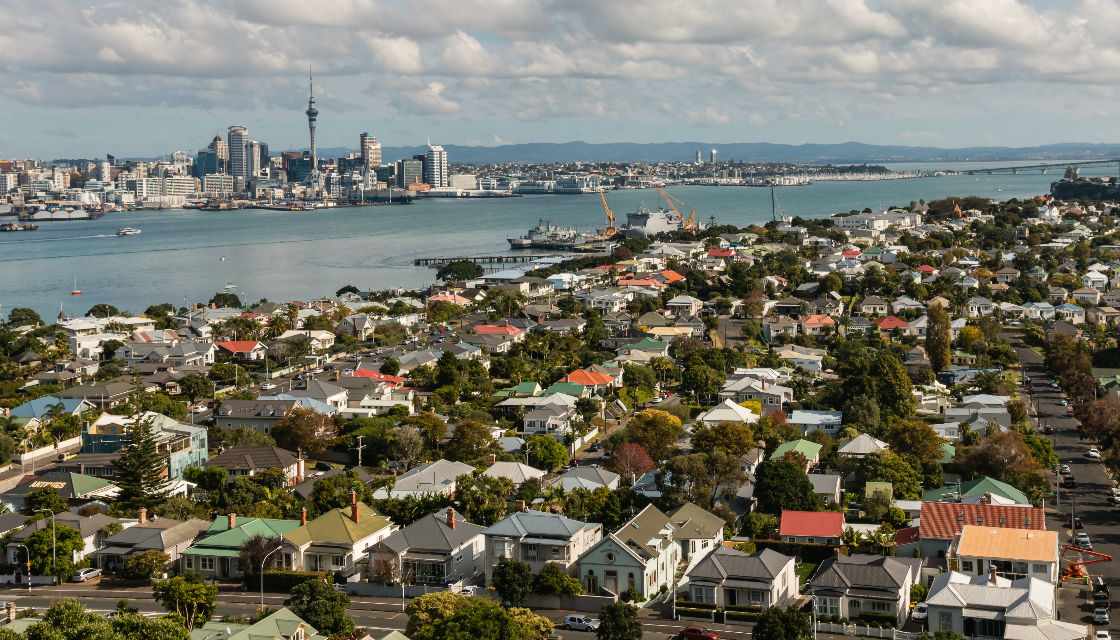
PHOTO: Nearly 50 Homes to Be Compulsorily Bought in Auckland Flood Protection Plan. FILE
Nearly 50 homes in an Auckland suburb are set to be compulsorily acquired and removed as part of a major council initiative aimed at reducing flood risks across the region.
The move forms part of Auckland Council’s long-term strategy to create new flood plains and uncover a buried stream, helping manage stormwater and prevent severe flooding during extreme weather events.
Officials say the buyouts represent only the beginning of a wider programme designed to protect vulnerable communities from future climate-related flooding.
Homes Purchased to Restore Natural Flood Plains
Under the plan, properties located in high-risk flood zones will be purchased by Auckland Council and removed to make way for expanded flood plains.
These areas will act as natural overflow zones during heavy rainfall, allowing water to spread safely rather than flooding nearby streets and homes.
A key part of the project also involves uncovering a buried stream, restoring it to its natural state so it can better carry stormwater during major weather events.
Urban development over past decades has often diverted streams into underground pipes, reducing their ability to handle large water volumes during storms.
Flooding Risks Driving the Decision
The project follows increasing concerns about flooding risks in parts of Auckland.
Extreme rainfall events in recent years have exposed weaknesses in the city’s stormwater systems and highlighted the dangers of homes being built in natural flood paths.
Council planners say restoring natural waterways and flood plains is one of the most effective ways to reduce future risk.
By creating open flood zones, water can move through the landscape more safely during major storms.
More Property Buyouts Could Follow
Officials have indicated that the nearly 50 homes being purchased are only the start.
Auckland Council says additional acquisitions may be required in other flood-prone areas as the city adapts its infrastructure to cope with increasingly intense rainfall events.
The strategy forms part of a broader effort to improve climate resilience across Auckland.
Urban planners are increasingly focused on restoring natural water systems and reducing development in high-risk flood areas.
Balancing Community Impact and Safety
While the flood protection programme aims to improve long-term safety, it also has a significant impact on the residents affected by the buyouts.
For homeowners living in the targeted areas, the compulsory acquisition of properties can be a difficult and emotional process.
Council officials say the programme is designed to ensure fair compensation while prioritising community safety.
The alternative — leaving homes in areas prone to severe flooding — could lead to far greater risks and long-term costs.
Climate Change Reshaping Urban Planning
Across New Zealand and internationally, cities are increasingly rethinking how they manage water in urban environments.
Rather than relying solely on pipes and drainage systems, many councils are restoring natural waterways and flood plains to absorb excess water during extreme weather.
This approach, often called nature-based flood management, is becoming a key strategy in climate adaptation planning.
For Auckland, projects like the current buyout programme represent a major shift in how the city manages its landscape.
The Future of Flood Management in Auckland
As climate change increases the likelihood of intense rainfall events, councils face growing pressure to protect communities from flooding.
Auckland’s plan to remove homes and restore natural waterways may become a model for other parts of the country facing similar challenges.
While the immediate impact is significant for affected homeowners, the long-term goal is to create safer, more resilient neighbourhoods capable of withstanding extreme weather events.
And as Auckland continues to expand, the balance between development and environmental protection is likely to become one of the most important challenges facing the city’s future.