PHOTO: Opes Partners
Forget guessing prices. The real opportunity is about timing, affordability, and understanding the cycle most buyers get wrong.
For years, buyers have been waiting for “the bottom” of the New Zealand housing market.
Many thought it was May 2023.
But what if that wasn’t the real low point at all?
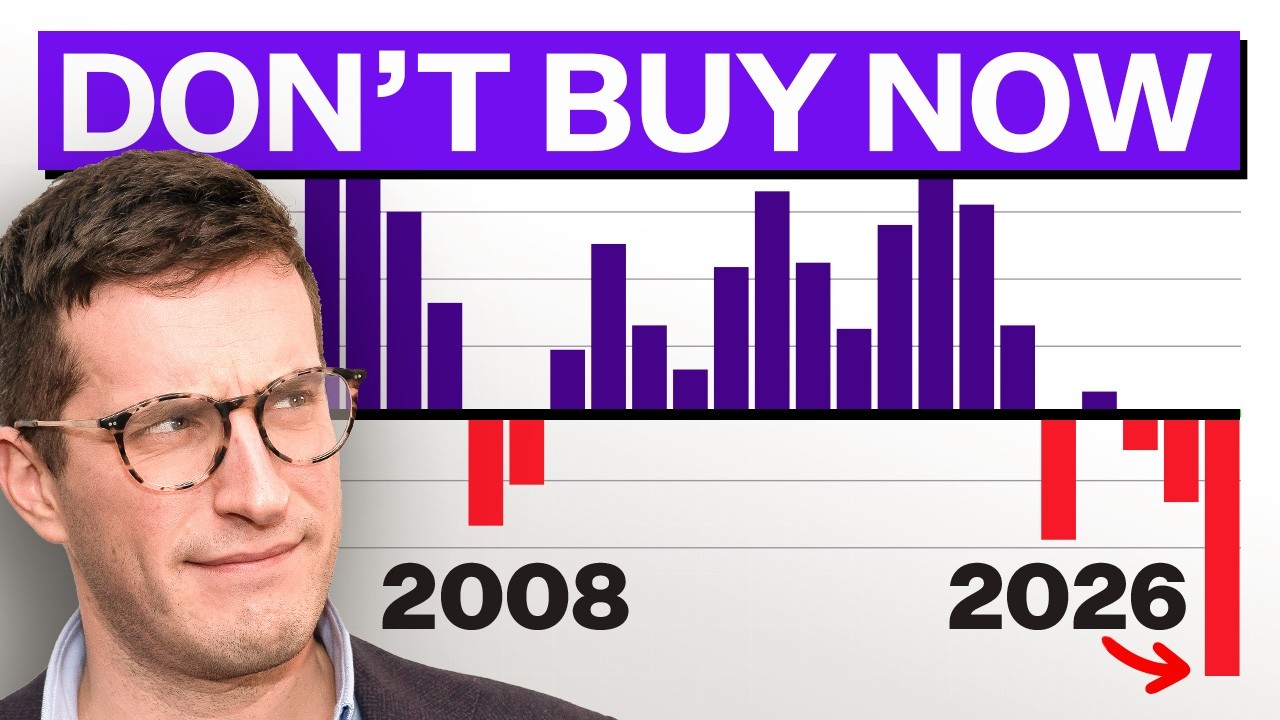
According to long-term housing analysis shared by market commentator Ed, the moment homes feel cheapest isn’t always when prices stop falling — it’s when affordability quietly peaks.
And if buyers miss that window, history shows they often look back years later thinking:
“I waited too long.”
❌ Why Economists Almost Always Get the Timing Wrong
After studying the NZ housing market for more than seven years, one pattern is clear:
Most forecasts focus on prices, not purchasing power.
The problem?
House prices don’t move in isolation.
Buyers experience affordability through four overlapping forces — and price is only one of them.
🔍 The 4 Forces That ACTUALLY Drive Housing Affordability
According to the analysis, real affordability is shaped by:
1️⃣ House Prices
Yes — but they’re only part of the equation.
Prices can be flat or falling while affordability improves dramatically due to other factors.
2️⃣ Interest Rates
Falling mortgage rates quietly do the heavy lifting.
Even modest rate drops can:
-
Increase borrowing power by tens of thousands
-
Reduce weekly repayments
-
Make the same house feel far cheaper
This is why prices can rise while homes feel more affordable.
3️⃣ Bank Lending Behaviour
Banks are suddenly willing to lend more again.
As rates stabilise and serviceability improves:
-
Debt-to-income constraints loosen
-
Approval amounts increase
-
Buyer confidence returns faster than expected
This shift often happens before prices rise.
4️⃣ Wages & Income Growth
When incomes lift — even slowly — they compound affordability gains created by lower rates.
This is why the “cheapest-feeling” moment often happens after prices stop falling.
📉 Why May 2023 Might NOT Have Been the Bottom
While prices may have technically bottomed around mid-2023, affordability didn’t.
At that point:
-
Rates were still high
-
Banks were conservative
-
Borrowing power was constrained
In other words, homes looked cheaper, but felt expensive.
📆 The Two Months When Housing Is Usually Weakest
Historically, housing markets tend to soften in:
-
Late summer
-
Mid-winter
Buyer activity slows, listings linger, and sellers become more flexible.
Overlay this seasonal weakness with:
-
Falling interest rates
-
Improving lending conditions
…and you often get the sweet spot buyers miss.
🎯 The Exact Date Ed Would Bet On (If Forced)
Rather than predicting a price number, Ed points to a specific timing window where affordability peaks in real terms — when borrowing power, repayments, and confidence align.
It’s not about calling the bottom.
It’s about recognising when the cycle quietly turns in your favour.
That moment often comes before headlines turn positive — and before FOMO returns.
⚠️ Why Sitting on the Sidelines Too Long Is Risky
History shows:
-
Buyers wait for “one more drop”
-
Rates fall, borrowing power jumps
-
Competition returns
-
Prices rise faster than expected
Three years later, the regret sets in.
“We could have bought — but we waited.”
🧠 The Smarter Way to Think About Timing
This isn’t about crystal balls or guessing prices.
It’s about:
✔ Understanding affordability
✔ Watching lending conditions
✔ Recognising seasonal weakness
✔ Acting before confidence flips
Those who do this don’t need to pick the exact bottom — they just need to avoid missing the window.
🏁 Bottom Line
The month homes feel cheapest is rarely obvious in real time.
It happens quietly — when:
-
Rates fall
-
Banks lend more
-
Sellers are still cautious
-
Buyers are still hesitant
Miss it, and the next phase of the cycle doesn’t wait.